

KEPRO
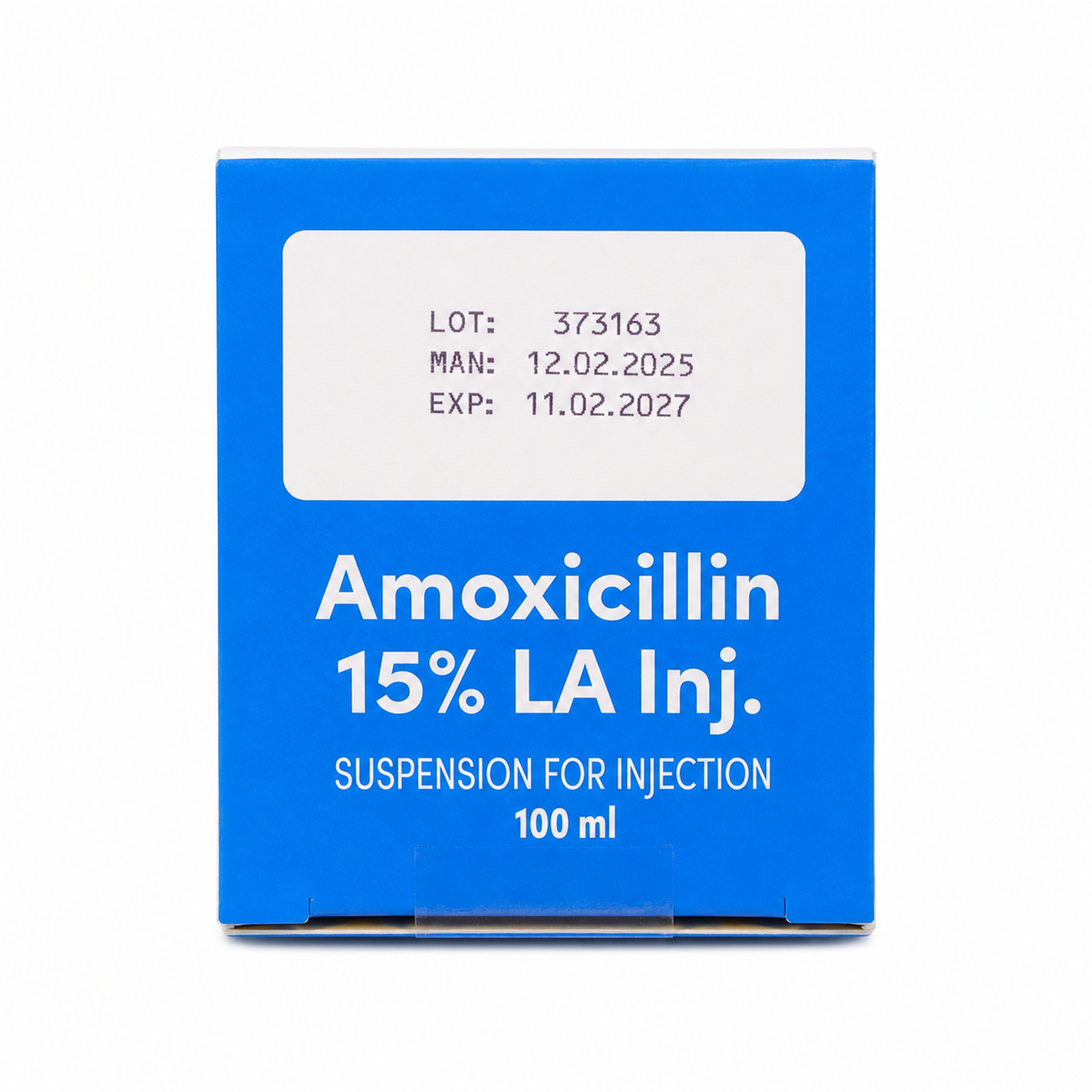
Amoxicillin 15% LA Inj.
Phenylbutazone 20% Inj. is a Kepro veterinary product developed to provide a clearly defined therapeutic or nutritional role. Its formulation is based on phenylbutazone 20% in a veterinary solution for injection. These components give the product a practical place in veterinary programs aimed at management of pain and inflammation, particularly musculoskeletal and locomotor conditions where a veterinarian selects an NSAID approach. The dosage form is designed for professional animal use and should be incorporated into a treatment or support plan only in accordance with the approved label and local registration.
From a functional perspective, Phenylbutazone is an NSAID that reduces prostaglandin synthesis and thereby decreases inflammatory pain, swelling and related discomfort. Its use requires careful attention to species, hydration status and gastrointestinal or renal risk. This profile explains why the product may be useful when a veterinarian wants to address a specific physiological or clinical need rather than treat signs without identifying their cause. According to available product information, target species include species authorized by the local product registration, traditionally including horses in many veterinary markets. Final case selection still depends on diagnosis, age, body weight, production stage and the presence of concurrent disease or medicines that could influence response or safety.
A key strength of Phenylbutazone 20% Inj. is the combination of a recognizable active profile with a veterinary dosage form suited to routine clinic or farm use. When selected for the right case, it can form part of a broader program intended to support or treat management of pain and inflammation, particularly musculoskeletal and locomotor conditions where a veterinarian selects an NSAID approach. It should not be presented as a universal answer to every animal showing the same clinical sign, because similar signs may arise from very different infectious, nutritional, metabolic or management-related causes.
Before using an NSAID, hydration, renal function and gastrointestinal risk should be considered because adverse effects are more likely in dehydrated animals or those with shock, ulceration or kidney impairment. Concurrent use of multiple NSAIDs or an NSAID with a corticosteroid should generally be avoided unless specifically directed. Analgesic therapy is most effective when combined with diagnosis and management of the condition that is causing pain or inflammation.
This copy is written for a veterinary product page, so it focuses on product identity, clinical or nutritional role, and practical positioning rather than reproducing a dosing leaflet. The product should always be used according to the locally approved label and package leaflet because authorized species, dosage schedules, withdrawal periods, contraindications and warnings may differ between markets. Appropriate veterinary use also depends on diagnosis, body weight, age, kidney and liver status, pregnancy or lactation, concurrent medicines and, for antimicrobials, the likely or confirmed susceptibility of the causative organism. Website information should therefore complement, not replace, professional veterinary advice and the manufacturer’s approved instructions.
For a website product page, Phenylbutazone 20% Inj. can be positioned as a specialized Kepro option with a defined formulation and a clear practical purpose. A complete page should ideally show the original pack, dosage form, principal active ingredients, registered target species and the general therapeutic or nutritional role. Detailed dosage, withdrawal and contraindication information should remain linked to the official leaflet or be provided by a veterinarian. This approach gives customers useful, professional information while keeping regulatory and clinical decisions where they belong: with the approved product information and qualified veterinary guidance.
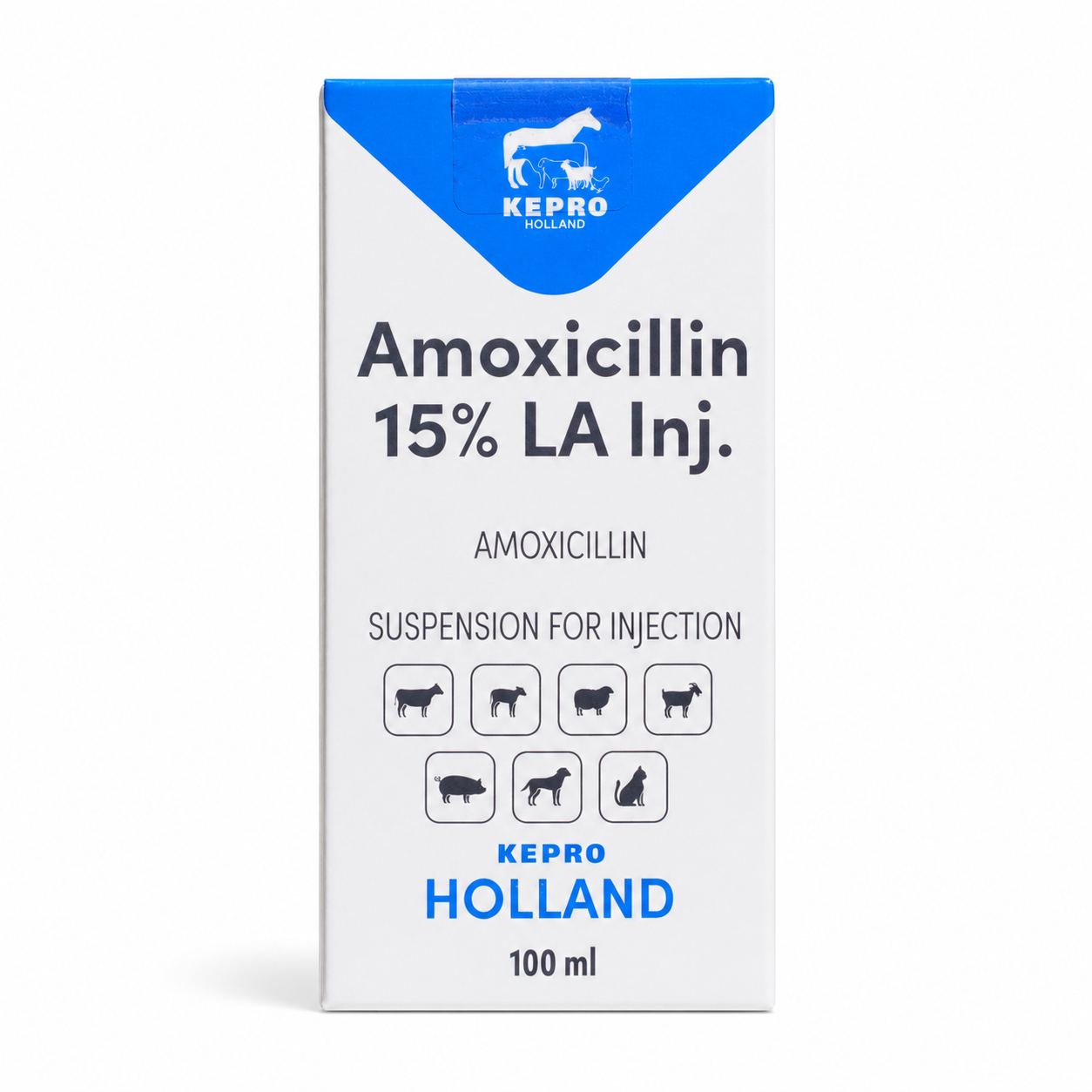
Amoxicillin 15% LA Inj.
Amoxicillin 15% LA Inj. is a long-acting veterinary antibacterial suspension for injection containing 15% amoxicillin. Amoxicillin belongs to the broad-spectrum penicillin group of beta-lactam antibiotics and is active against a wide range of susceptible bacteria responsible for infections in animals. The long-acting formulation has been developed to maintain effective concentrations of the active ingredient for an extended period compared with conventional short-acting preparations, providing a practical option when prolonged antibacterial activity is required as part of an appropriate veterinary treatment program.
Amoxicillin works by interfering with bacterial cell-wall synthesis. It binds to specific penicillin-binding proteins involved in the formation of peptidoglycan, an essential structural component of the bacterial cell wall. Disruption of this process weakens the bacterial wall and ultimately results in the destruction of susceptible organisms. This mechanism is particularly effective against bacteria that are actively multiplying.
Amoxicillin 15% LA Inj. may be used for the treatment of bacterial infections caused by microorganisms susceptible to amoxicillin in the animal species listed in the official product information. Depending on the diagnosed condition and the susceptibility of the causative organism, veterinary applications may include bacterial infections affecting the respiratory tract, gastrointestinal system, urinary and reproductive systems, as well as certain skin, soft-tissue and other susceptible bacterial infections.
The long-acting nature of the formulation offers an important practical advantage in animal health management. By providing extended antibacterial exposure after administration, the product may reduce the frequency of treatment compared with some conventional formulations. This can simplify treatment programs and reduce repeated handling of animals, which can be particularly beneficial in commercial livestock environments.
The product packaging indicates its use in several animal species, including major farm-animal categories and other species specified on the label. Actual approved target species, dosage, route of administration, treatment interval and duration should always be determined according to the official local product label and veterinary instructions.
Responsible antibiotic use is essential. Amoxicillin 15% LA Inj. should only be used when bacterial infection is confirmed or reasonably suspected to involve organisms susceptible to amoxicillin. Unnecessary or inappropriate antibiotic use can contribute to antimicrobial resistance and may reduce the effectiveness of important veterinary medicines over time. Where possible, treatment decisions should be supported by clinical diagnosis and relevant susceptibility information.
Withdrawal periods for meat, milk or other animal products must be observed exactly as stated on the authorized product information. The product is intended for veterinary use only and should be used with caution in animals with known hypersensitivity to penicillins or other beta-lactam antibiotics.
When used appropriately under veterinary supervision, Amoxicillin 15% LA Inj. provides a convenient long-acting antibacterial option for managing susceptible bacterial infections, helping support animal health, recovery and productive performance while reducing the need for frequent administration.
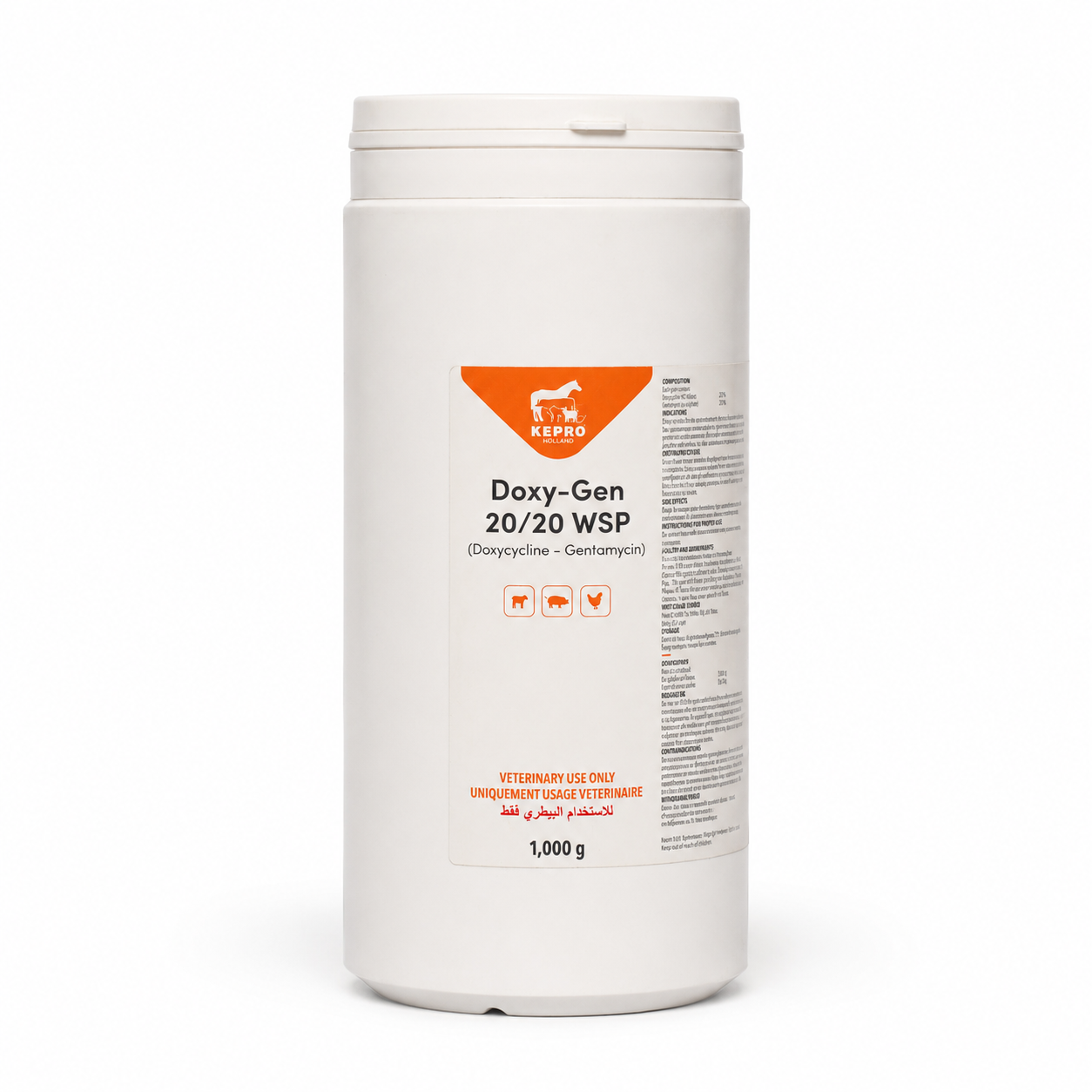
Doxy-Gen 20/20 WSP
Doxy-Gen 20/20 WSP is a Kepro veterinary product developed to provide a clearly defined therapeutic or nutritional role. Its formulation is based on doxycycline hyclate 200 mg/g and gentamicin sulphate 200 mg/g. These components give the product a practical place in veterinary programs aimed at susceptible gastrointestinal and respiratory bacterial infections, especially mixed infections in which broad antibacterial coverage is required. The dosage form is designed for professional animal use and should be incorporated into a treatment or support plan only in accordance with the approved label and local registration.
From a functional perspective, Doxycycline inhibits bacterial protein synthesis, while gentamicin is an aminoglycoside that acts rapidly on susceptible bacteria. Their complementary distribution gives the product both intestinal and systemic relevance. This profile explains why the product may be useful when a veterinarian wants to address a specific physiological or clinical need rather than treat signs without identifying their cause. According to available product information, target species include poultry, calves and pigs. Final case selection still depends on diagnosis, age, body weight, production stage and the presence of concurrent disease or medicines that could influence response or safety.
A key strength of Doxy-Gen 20/20 WSP is the combination of a recognizable active profile with a veterinary dosage form suited to routine clinic or farm use. When selected for the right case, it can form part of a broader program intended to support or treat susceptible gastrointestinal and respiratory bacterial infections, especially mixed infections in which broad antibacterial coverage is required. It should not be presented as a universal answer to every animal showing the same clinical sign, because similar signs may arise from very different infectious, nutritional, metabolic or management-related causes.
Responsible antimicrobial use is essential in infection management. Selection should be based on diagnosis, the likely site of infection and, whenever practical, culture and susceptibility testing. Unnecessary or repeated exposure can accelerate antimicrobial resistance, so treatment should follow veterinary direction and the prescribed course should be completed. Clinical improvement should be monitored together with farm-level measures such as hygiene, ventilation, water quality, nutrition, biosecurity and isolation of affected animals when appropriate.
This copy is written for a veterinary product page, so it focuses on product identity, clinical or nutritional role, and practical positioning rather than reproducing a dosing leaflet. The product should always be used according to the locally approved label and package leaflet because authorized species, dosage schedules, withdrawal periods, contraindications and warnings may differ between markets. Appropriate veterinary use also depends on diagnosis, body weight, age, kidney and liver status, pregnancy or lactation, concurrent medicines and, for antimicrobials, the likely or confirmed susceptibility of the causative organism. Website information should therefore complement, not replace, professional veterinary advice and the manufacturer’s approved instructions.
For a website product page, Doxy-Gen 20/20 WSP can be positioned as a specialized Kepro option with a defined formulation and a clear practical purpose. A complete page should ideally show the original pack, dosage form, principal active ingredients, registered target species and the general therapeutic or nutritional role. Detailed dosage, withdrawal and contraindication information should remain linked to the official leaflet or be provided by a veterinarian. This approach gives customers useful, professional information while keeping regulatory and clinical decisions where they belong: with the approved product information and qualified veterinary guidance.
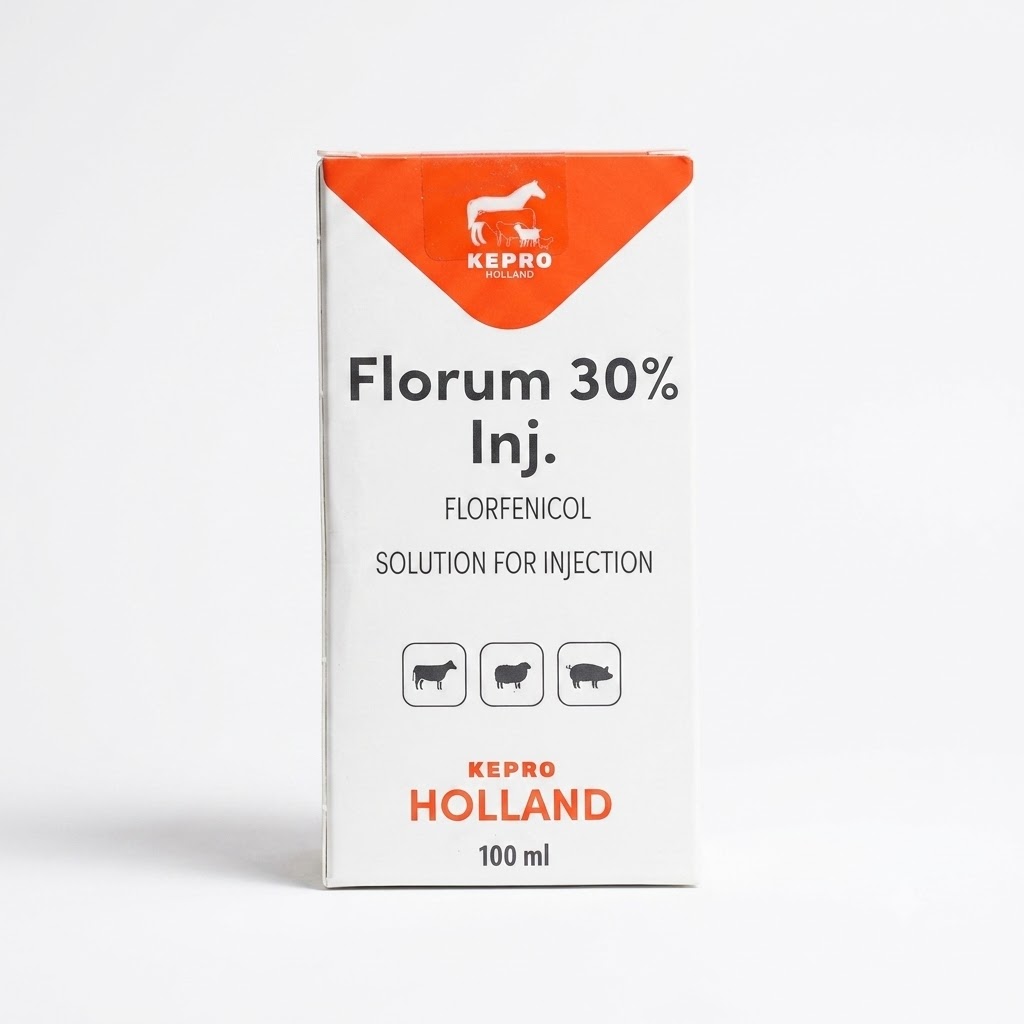
Florum 30% Inj.
Florum 30% Inj. is a Kepro veterinary product developed to provide a clearly defined therapeutic or nutritional role. Its formulation is based on florfenicol 300 mg/ml in an injectable veterinary formulation. These components give the product a practical place in veterinary programs aimed at susceptible bacterial infections, especially clinically important respiratory infections in livestock. The dosage form is designed for professional animal use and should be incorporated into a treatment or support plan only in accordance with the approved label and local registration.
From a functional perspective, Florfenicol inhibits bacterial protein synthesis by binding to the 50S ribosomal subunit. It is designed for veterinary use and has activity against a range of susceptible respiratory and systemic pathogens. This profile explains why the product may be useful when a veterinarian wants to address a specific physiological or clinical need rather than treat signs without identifying their cause. According to available product information, target species include cattle, sheep and pigs as indicated on the presented packaging. Final case selection still depends on diagnosis, age, body weight, production stage and the presence of concurrent disease or medicines that could influence response or safety.
A key strength of Florum 30% Inj. is the combination of a recognizable active profile with a veterinary dosage form suited to routine clinic or farm use. When selected for the right case, it can form part of a broader program intended to support or treat susceptible bacterial infections, especially clinically important respiratory infections in livestock. It should not be presented as a universal answer to every animal showing the same clinical sign, because similar signs may arise from very different infectious, nutritional, metabolic or management-related causes.
Responsible antimicrobial use is essential in infection management. Selection should be based on diagnosis, the likely site of infection and, whenever practical, culture and susceptibility testing. Unnecessary or repeated exposure can accelerate antimicrobial resistance, so treatment should follow veterinary direction and the prescribed course should be completed. Clinical improvement should be monitored together with farm-level measures such as hygiene, ventilation, water quality, nutrition, biosecurity and isolation of affected animals when appropriate.
This copy is written for a veterinary product page, so it focuses on product identity, clinical or nutritional role, and practical positioning rather than reproducing a dosing leaflet. The product should always be used according to the locally approved label and package leaflet because authorized species, dosage schedules, withdrawal periods, contraindications and warnings may differ between markets. Appropriate veterinary use also depends on diagnosis, body weight, age, kidney and liver status, pregnancy or lactation, concurrent medicines and, for antimicrobials, the likely or confirmed susceptibility of the causative organism. Website information should therefore complement, not replace, professional veterinary advice and the manufacturer’s approved instructions.
For a website product page, Florum 30% Inj. can be positioned as a specialized Kepro option with a defined formulation and a clear practical purpose. A complete page should ideally show the original pack, dosage form, principal active ingredients, registered target species and the general therapeutic or nutritional role. Detailed dosage, withdrawal and contraindication information should remain linked to the official leaflet or be provided by a veterinarian. This approach gives customers useful, professional information while keeping regulatory and clinical decisions where they belong: with the approved product information and qualified veterinary guidance.
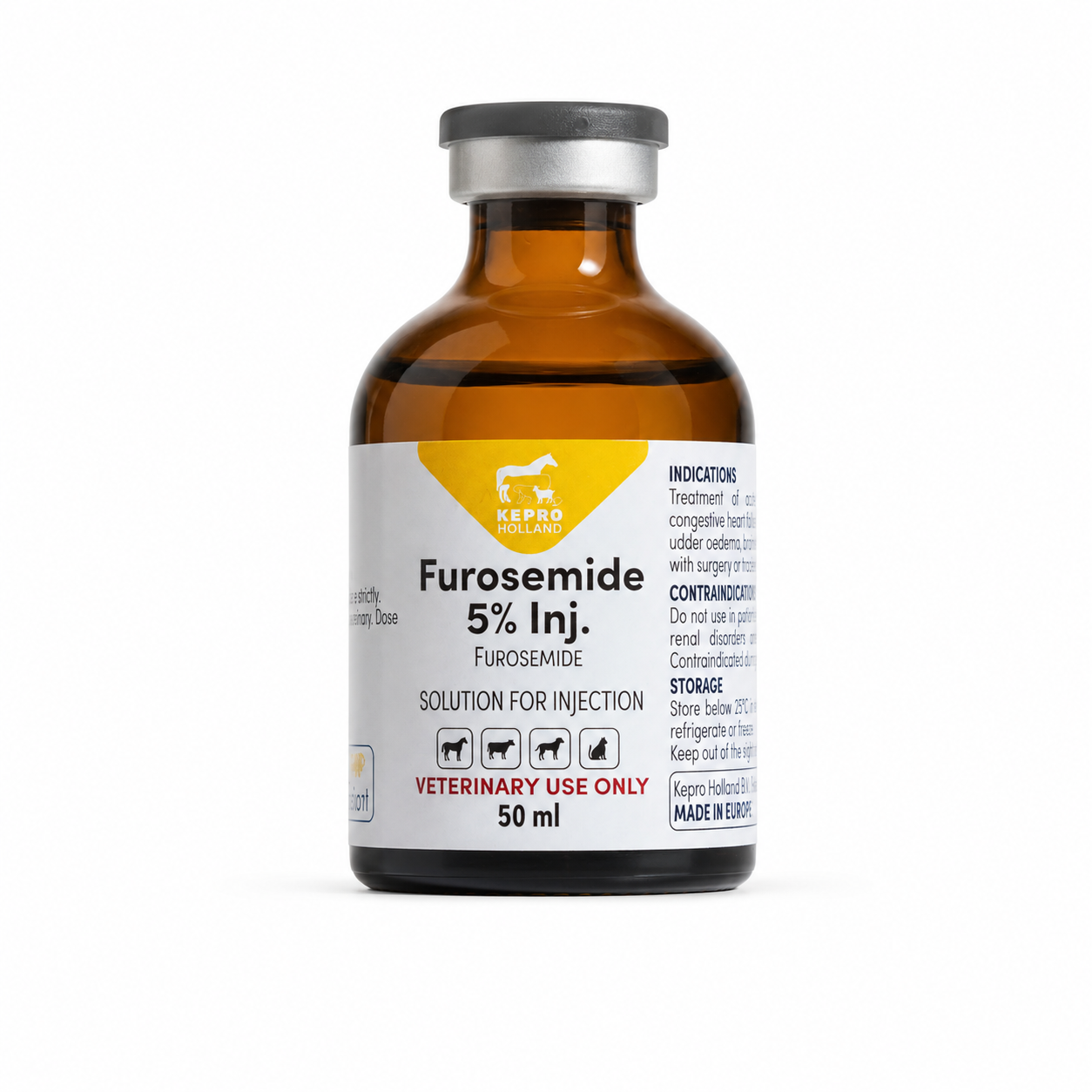
Furosemide 5% Inj.
Furosemide 5% Inj. is a Kepro veterinary product developed to provide a clearly defined therapeutic or nutritional role. Its formulation is based on furosemide 5% in a veterinary injectable solution. These components give the product a practical place in veterinary programs aimed at management of clinically significant fluid retention and edema, including situations associated with congestive heart failure, pulmonary edema or udder edema where a veterinarian determines diuresis is appropriate. The dosage form is designed for professional animal use and should be incorporated into a treatment or support plan only in accordance with the approved label and local registration.
From a functional perspective, Furosemide is a loop diuretic that reduces sodium and chloride reabsorption in the kidney, increasing urinary excretion of water and electrolytes and thereby helping decrease excess fluid volume. This profile explains why the product may be useful when a veterinarian wants to address a specific physiological or clinical need rather than treat signs without identifying their cause. According to available product information, target species include cattle, horses, dogs and cats as commonly indicated for veterinary furosemide products. Final case selection still depends on diagnosis, age, body weight, production stage and the presence of concurrent disease or medicines that could influence response or safety.
A key strength of Furosemide 5% Inj. is the combination of a recognizable active profile with a veterinary dosage form suited to routine clinic or farm use. When selected for the right case, it can form part of a broader program intended to support or treat management of clinically significant fluid retention and edema, including situations associated with congestive heart failure, pulmonary edema or udder edema where a veterinarian determines diuresis is appropriate. It should not be presented as a universal answer to every animal showing the same clinical sign, because similar signs may arise from very different infectious, nutritional, metabolic or management-related causes.
Because loop diuresis can be powerful, treatment requires attention to hydration, renal function and electrolyte balance, especially sodium and potassium during repeated administration. The aim is to remove clinically excessive fluid without causing dehydration, hypotension or metabolic disturbance. The underlying cause of fluid retention—such as cardiac, pulmonary or renal disease—should also be investigated because a diuretic reduces fluid burden but does not necessarily correct the primary disease.
This copy is written for a veterinary product page, so it focuses on product identity, clinical or nutritional role, and practical positioning rather than reproducing a dosing leaflet. The product should always be used according to the locally approved label and package leaflet because authorized species, dosage schedules, withdrawal periods, contraindications and warnings may differ between markets. Appropriate veterinary use also depends on diagnosis, body weight, age, kidney and liver status, pregnancy or lactation, concurrent medicines and, for antimicrobials, the likely or confirmed susceptibility of the causative organism. Website information should therefore complement, not replace, professional veterinary advice and the manufacturer’s approved instructions.
For a website product page, Furosemide 5% Inj. can be positioned as a specialized Kepro option with a defined formulation and a clear practical purpose. A complete page should ideally show the original pack, dosage form, principal active ingredients, registered target species and the general therapeutic or nutritional role. Detailed dosage, withdrawal and contraindication information should remain linked to the official leaflet or be provided by a veterinarian. This approach gives customers useful, professional information while keeping regulatory and clinical decisions where they belong: with the approved product information and qualified veterinary guidance.
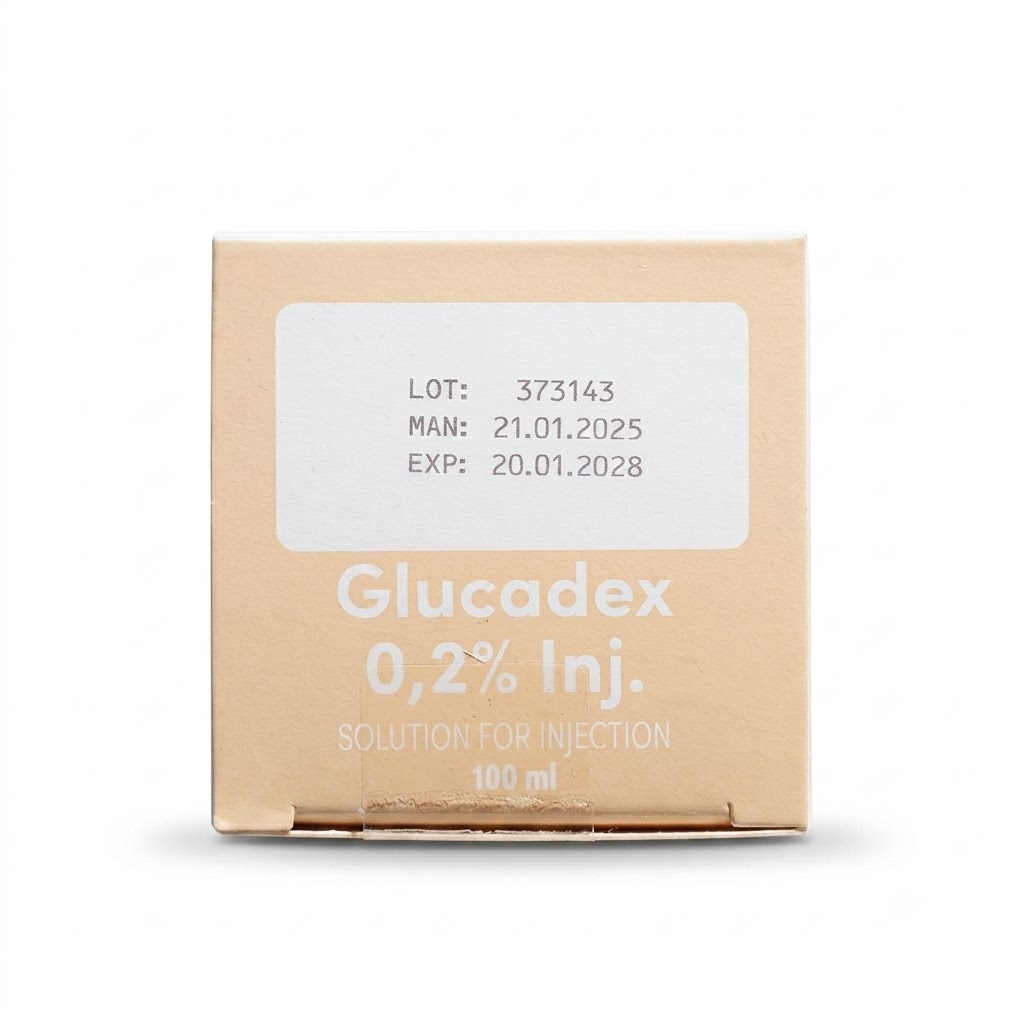
Glucadex 0.2% Inj.
Glucadex 0.2% Inj. is a Kepro veterinary product developed to provide a clearly defined therapeutic or nutritional role. Its formulation is based on dexamethasone 2 mg/ml (as dexamethasone sodium phosphate). These components give the product a practical place in veterinary programs aimed at anti-inflammatory and anti-allergic treatment in veterinary conditions where corticosteroid therapy is clinically justified, including selected musculoskeletal, allergic and inflammatory disorders. The dosage form is designed for professional animal use and should be incorporated into a treatment or support plan only in accordance with the approved label and local registration.
From a functional perspective, Dexamethasone is a potent glucocorticoid that modifies inflammatory gene expression, suppresses production of inflammatory mediators and reduces vascular and immune components of inflammation. This profile explains why the product may be useful when a veterinarian wants to address a specific physiological or clinical need rather than treat signs without identifying their cause. According to available product information, target species include horses, cattle, goats, pigs, dogs and cats as indicated by the product information. Final case selection still depends on diagnosis, age, body weight, production stage and the presence of concurrent disease or medicines that could influence response or safety.
A key strength of Glucadex 0.2% Inj. is the combination of a recognizable active profile with a veterinary dosage form suited to routine clinic or farm use. When selected for the right case, it can form part of a broader program intended to support or treat anti-inflammatory and anti-allergic treatment in veterinary conditions where corticosteroid therapy is clinically justified, including selected musculoskeletal, allergic and inflammatory disorders. It should not be presented as a universal answer to every animal showing the same clinical sign, because similar signs may arise from very different infectious, nutritional, metabolic or management-related causes.
Corticosteroids are potent medicines with broad effects on inflammation, immunity and metabolism. They should be used for the shortest appropriate period and at the lowest exposure that achieves the clinical objective. Inappropriate use can mask infection, delay wound healing and contribute to gastrointestinal or metabolic adverse effects. Pregnant animals and animals with diabetes, ulcers or systemic infection require special assessment, and prolonged corticosteroid therapy should not be stopped abruptly without a veterinary plan.
This copy is written for a veterinary product page, so it focuses on product identity, clinical or nutritional role, and practical positioning rather than reproducing a dosing leaflet. The product should always be used according to the locally approved label and package leaflet because authorized species, dosage schedules, withdrawal periods, contraindications and warnings may differ between markets. Appropriate veterinary use also depends on diagnosis, body weight, age, kidney and liver status, pregnancy or lactation, concurrent medicines and, for antimicrobials, the likely or confirmed susceptibility of the causative organism. Website information should therefore complement, not replace, professional veterinary advice and the manufacturer’s approved instructions.
For a website product page, Glucadex 0.2% Inj. can be positioned as a specialized Kepro option with a defined formulation and a clear practical purpose. A complete page should ideally show the original pack, dosage form, principal active ingredients, registered target species and the general therapeutic or nutritional role. Detailed dosage, withdrawal and contraindication information should remain linked to the official leaflet or be provided by a veterinarian. This approach gives customers useful, professional information while keeping regulatory and clinical decisions where they belong: with the approved product information and qualified veterinary guidance.
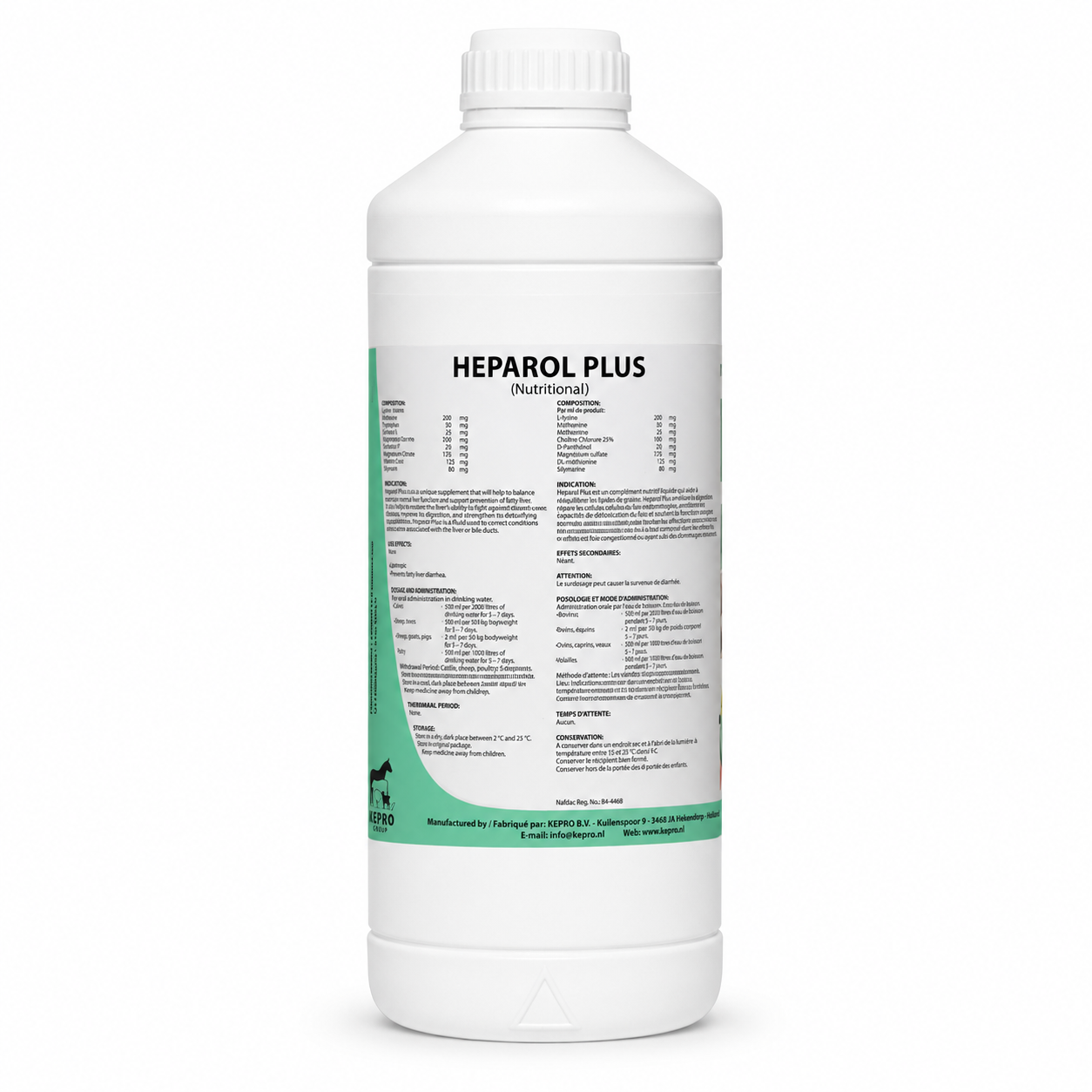
HEPAROL PLUS
HEPAROL PLUS is a Kepro veterinary product developed to provide a clearly defined therapeutic or nutritional role. Its formulation is based on sorbitol, L-carnitine, betaine HCl, choline chloride, D-panthenol, magnesium sulphate, DL-methionine and vitamin C. These components give the product a practical place in veterinary programs aimed at nutritional support for liver function, fat metabolism, appetite, recovery and periods of intensive production or metabolic stress. The dosage form is designed for professional animal use and should be incorporated into a treatment or support plan only in accordance with the approved label and local registration.
From a functional perspective, The formulation combines lipotropic nutrients and metabolic cofactors. Choline, methionine, betaine and carnitine support lipid handling, while panthenol contributes to coenzyme A pathways and vitamin C adds antioxidant support. This profile explains why the product may be useful when a veterinarian wants to address a specific physiological or clinical need rather than treat signs without identifying their cause. According to available product information, target species include cattle, sheep, goats, pigs and poultry. Final case selection still depends on diagnosis, age, body weight, production stage and the presence of concurrent disease or medicines that could influence response or safety.
A key strength of HEPAROL PLUS is the combination of a recognizable active profile with a veterinary dosage form suited to routine clinic or farm use. When selected for the right case, it can form part of a broader program intended to support or treat nutritional support for liver function, fat metabolism, appetite, recovery and periods of intensive production or metabolic stress. It should not be presented as a universal answer to every animal showing the same clinical sign, because similar signs may arise from very different infectious, nutritional, metabolic or management-related causes.
Nutritional supplements work best as part of a balanced feeding and management program rather than as a substitute for good feed or for treatment of an underlying disease. Requirements may rise during transport, vaccination, feed changes, convalescence, peak production and environmental stress. Reviewing the total vitamin and mineral contribution of the ration helps prevent both deficiency and unnecessary oversupply, particularly with nutrients that can accumulate when used excessively.
This copy is written for a veterinary product page, so it focuses on product identity, clinical or nutritional role, and practical positioning rather than reproducing a dosing leaflet. The product should always be used according to the locally approved label and package leaflet because authorized species, dosage schedules, withdrawal periods, contraindications and warnings may differ between markets. Appropriate veterinary use also depends on diagnosis, body weight, age, kidney and liver status, pregnancy or lactation, concurrent medicines and, for antimicrobials, the likely or confirmed susceptibility of the causative organism. Website information should therefore complement, not replace, professional veterinary advice and the manufacturer’s approved instructions.
For a website product page, HEPAROL PLUS can be positioned as a specialized Kepro option with a defined formulation and a clear practical purpose. A complete page should ideally show the original pack, dosage form, principal active ingredients, registered target species and the general therapeutic or nutritional role. Detailed dosage, withdrawal and contraindication information should remain linked to the official leaflet or be provided by a veterinarian. This approach gives customers useful, professional information while keeping regulatory and clinical decisions where they belong: with the approved product information and qualified veterinary guidance.
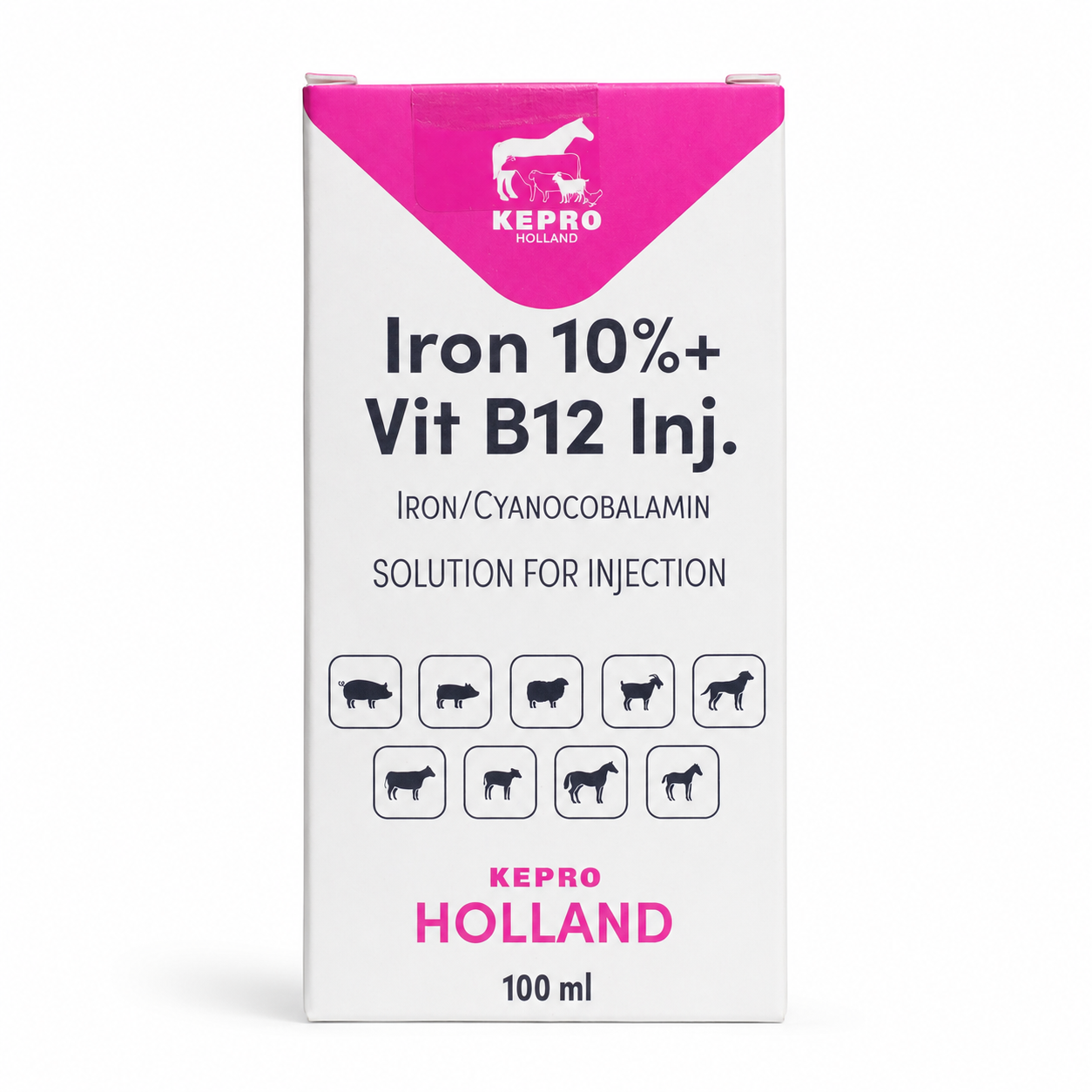
Iron 10% + Vit B12 Inj.
Iron 10% + Vit B12 Inj. is a Kepro veterinary product developed to provide a clearly defined therapeutic or nutritional role. Its formulation is based on iron(III) as iron dextran complex 100 mg/ml with cyanocobalamin (vitamin B12) 30 micrograms/ml. These components give the product a practical place in veterinary programs aimed at prevention and treatment of iron-deficiency anemia and support of hemoglobin formation, red-blood-cell production and early growth. The dosage form is designed for professional animal use and should be incorporated into a treatment or support plan only in accordance with the approved label and local registration.
From a functional perspective, Iron dextran provides a depot source of iron for hemoglobin and iron-containing enzymes, while vitamin B12 contributes to normal red-blood-cell formation and cellular metabolism. This profile explains why the product may be useful when a veterinarian wants to address a specific physiological or clinical need rather than treat signs without identifying their cause. According to available product information, target species include piglets, pigs, cattle, calves, horses, foals, sheep, goats and dogs as indicated by the product information. Final case selection still depends on diagnosis, age, body weight, production stage and the presence of concurrent disease or medicines that could influence response or safety.
A key strength of Iron 10% + Vit B12 Inj. is the combination of a recognizable active profile with a veterinary dosage form suited to routine clinic or farm use. When selected for the right case, it can form part of a broader program intended to support or treat prevention and treatment of iron-deficiency anemia and support of hemoglobin formation, red-blood-cell production and early growth. It should not be presented as a universal answer to every animal showing the same clinical sign, because similar signs may arise from very different infectious, nutritional, metabolic or management-related causes.
Iron support is particularly relevant in rapidly growing young animals with limited iron reserves, but anemia has many possible causes. Repeated treatment should therefore follow confirmation that iron deficiency is contributing to the problem. Correct injection technique and observation for uncommon hypersensitivity reactions are important, and nutritional anemia should be differentiated from anemia caused by blood loss, parasites or chronic disease that requires treatment of the underlying cause.
This copy is written for a veterinary product page, so it focuses on product identity, clinical or nutritional role, and practical positioning rather than reproducing a dosing leaflet. The product should always be used according to the locally approved label and package leaflet because authorized species, dosage schedules, withdrawal periods, contraindications and warnings may differ between markets. Appropriate veterinary use also depends on diagnosis, body weight, age, kidney and liver status, pregnancy or lactation, concurrent medicines and, for antimicrobials, the likely or confirmed susceptibility of the causative organism. Website information should therefore complement, not replace, professional veterinary advice and the manufacturer’s approved instructions.
For a website product page, Iron 10% + Vit B12 Inj. can be positioned as a specialized Kepro option with a defined formulation and a clear practical purpose. A complete page should ideally show the original pack, dosage form, principal active ingredients, registered target species and the general therapeutic or nutritional role. Detailed dosage, withdrawal and contraindication information should remain linked to the official leaflet or be provided by a veterinarian. This approach gives customers useful, professional information while keeping regulatory and clinical decisions where they belong: with the approved product information and qualified veterinary guidance.
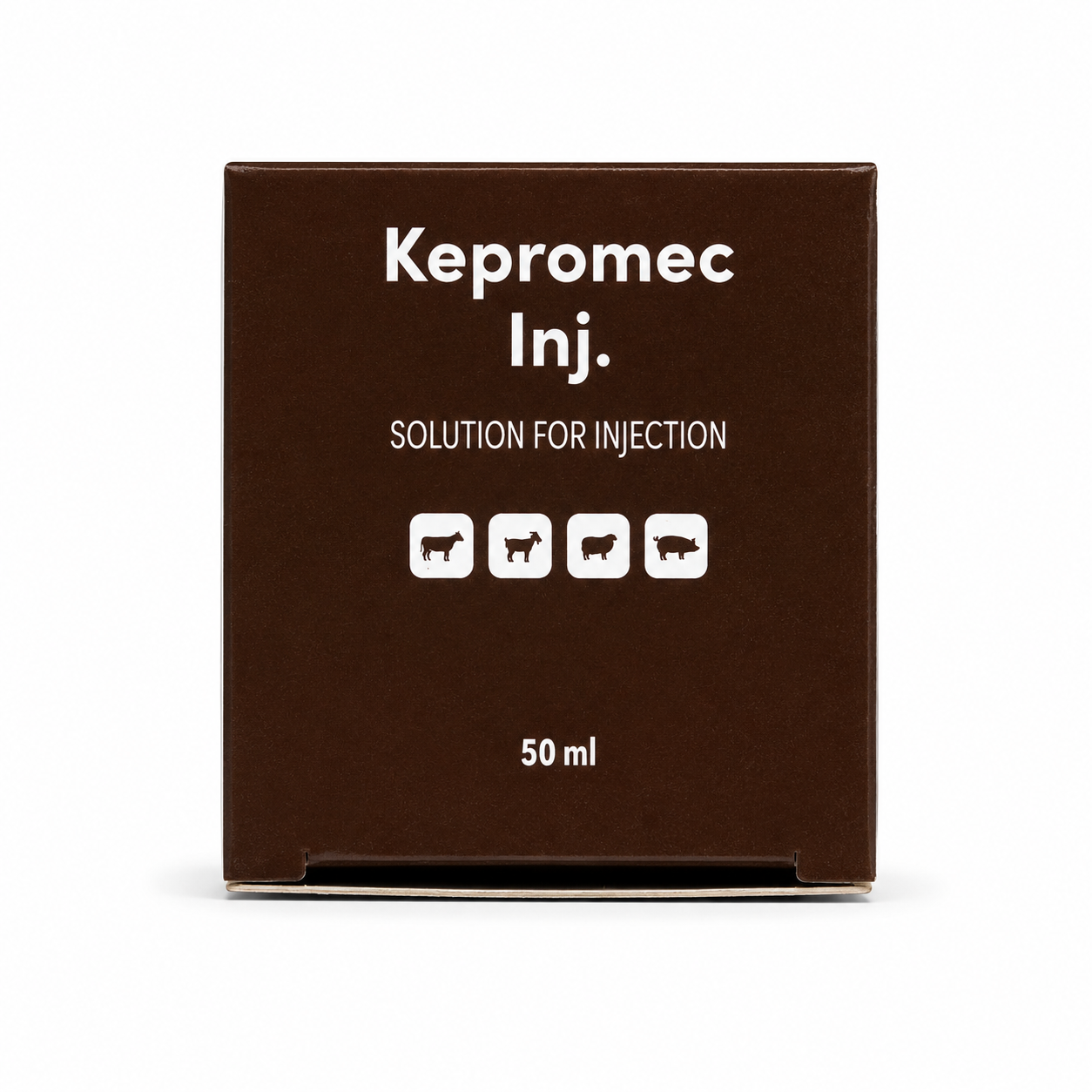
Kepromec Inj.
Kepromec Inj. is a Kepro veterinary product developed to provide a clearly defined therapeutic or nutritional role. Its formulation is based on ivermectin 10 mg/ml in an injectable veterinary formulation. These components give the product a practical place in veterinary programs aimed at treatment and control of susceptible internal and external parasites, including gastrointestinal and pulmonary nematodes and selected ectoparasites. The dosage form is designed for professional animal use and should be incorporated into a treatment or support plan only in accordance with the approved label and local registration.
From a functional perspective, Ivermectin binds selectively to glutamate-gated chloride channels in susceptible invertebrates, increasing chloride permeability and causing paralysis and death of the parasite while offering broad antiparasitic activity at veterinary doses. This profile explains why the product may be useful when a veterinarian wants to address a specific physiological or clinical need rather than treat signs without identifying their cause. According to available product information, target species include cattle and other indicated livestock species depending on local registration. Final case selection still depends on diagnosis, age, body weight, production stage and the presence of concurrent disease or medicines that could influence response or safety.
A key strength of Kepromec Inj. is the combination of a recognizable active profile with a veterinary dosage form suited to routine clinic or farm use. When selected for the right case, it can form part of a broader program intended to support or treat treatment and control of susceptible internal and external parasites, including gastrointestinal and pulmonary nematodes and selected ectoparasites. It should not be presented as a universal answer to every animal showing the same clinical sign, because similar signs may arise from very different infectious, nutritional, metabolic or management-related causes.
Parasite control should be part of an integrated program that considers the dominant parasites, timing of treatment, pasture or housing management, sanitation and monitoring of response. Repeated reliance on the same antiparasitic class may encourage resistance, so fecal testing or other diagnostic monitoring can be valuable. Withdrawal periods and species restrictions must be followed carefully, and ivermectin products should never be used in unapproved species because susceptibility differs markedly between animals.
This copy is written for a veterinary product page, so it focuses on product identity, clinical or nutritional role, and practical positioning rather than reproducing a dosing leaflet. The product should always be used according to the locally approved label and package leaflet because authorized species, dosage schedules, withdrawal periods, contraindications and warnings may differ between markets. Appropriate veterinary use also depends on diagnosis, body weight, age, kidney and liver status, pregnancy or lactation, concurrent medicines and, for antimicrobials, the likely or confirmed susceptibility of the causative organism. Website information should therefore complement, not replace, professional veterinary advice and the manufacturer’s approved instructions.
For a website product page, Kepromec Inj. can be positioned as a specialized Kepro option with a defined formulation and a clear practical purpose. A complete page should ideally show the original pack, dosage form, principal active ingredients, registered target species and the general therapeutic or nutritional role. Detailed dosage, withdrawal and contraindication information should remain linked to the official leaflet or be provided by a veterinarian. This approach gives customers useful, professional information while keeping regulatory and clinical decisions where they belong: with the approved product information and qualified veterinary guidance.
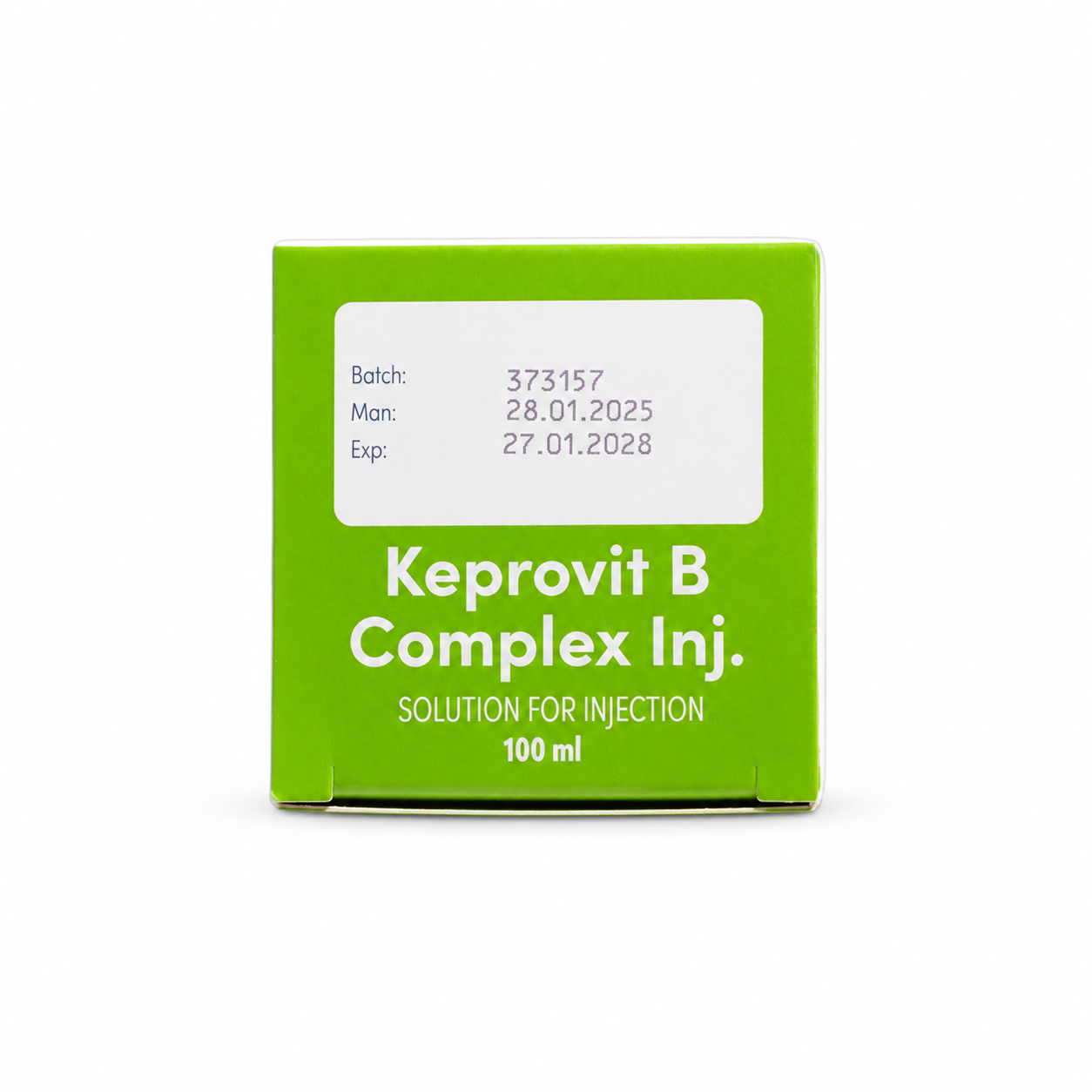
Keprovit B Complex Inj.
Keprovit B Complex Inj. is a Kepro veterinary product developed to provide a clearly defined therapeutic or nutritional role. Its formulation is based on a veterinary injectable complex of B-group vitamins. These components give the product a practical place in veterinary programs aimed at support during B-vitamin deficiency, reduced appetite, convalescence, stress, intensive growth and periods of increased metabolic demand. The dosage form is designed for professional animal use and should be incorporated into a treatment or support plan only in accordance with the approved label and local registration.
From a functional perspective, B-group vitamins act as coenzymes or coenzyme precursors in carbohydrate, fat and protein metabolism, energy production, nervous-system function and formation of normal tissues. This profile explains why the product may be useful when a veterinarian wants to address a specific physiological or clinical need rather than treat signs without identifying their cause. According to available product information, target species include horses, cattle, calves, sheep, goats, pigs, dogs and cats as indicated on the package. Final case selection still depends on diagnosis, age, body weight, production stage and the presence of concurrent disease or medicines that could influence response or safety.
A key strength of Keprovit B Complex Inj. is the combination of a recognizable active profile with a veterinary dosage form suited to routine clinic or farm use. When selected for the right case, it can form part of a broader program intended to support or treat support during B-vitamin deficiency, reduced appetite, convalescence, stress, intensive growth and periods of increased metabolic demand. It should not be presented as a universal answer to every animal showing the same clinical sign, because similar signs may arise from very different infectious, nutritional, metabolic or management-related causes.
Nutritional supplements work best as part of a balanced feeding and management program rather than as a substitute for good feed or for treatment of an underlying disease. Requirements may rise during transport, vaccination, feed changes, convalescence, peak production and environmental stress. Reviewing the total vitamin and mineral contribution of the ration helps prevent both deficiency and unnecessary oversupply, particularly with nutrients that can accumulate when used excessively.
This copy is written for a veterinary product page, so it focuses on product identity, clinical or nutritional role, and practical positioning rather than reproducing a dosing leaflet. The product should always be used according to the locally approved label and package leaflet because authorized species, dosage schedules, withdrawal periods, contraindications and warnings may differ between markets. Appropriate veterinary use also depends on diagnosis, body weight, age, kidney and liver status, pregnancy or lactation, concurrent medicines and, for antimicrobials, the likely or confirmed susceptibility of the causative organism. Website information should therefore complement, not replace, professional veterinary advice and the manufacturer’s approved instructions.
For a website product page, Keprovit B Complex Inj. can be positioned as a specialized Kepro option with a defined formulation and a clear practical purpose. A complete page should ideally show the original pack, dosage form, principal active ingredients, registered target species and the general therapeutic or nutritional role. Detailed dosage, withdrawal and contraindication information should remain linked to the official leaflet or be provided by a veterinarian. This approach gives customers useful, professional information while keeping regulatory and clinical decisions where they belong: with the approved product information and qualified veterinary guidance.
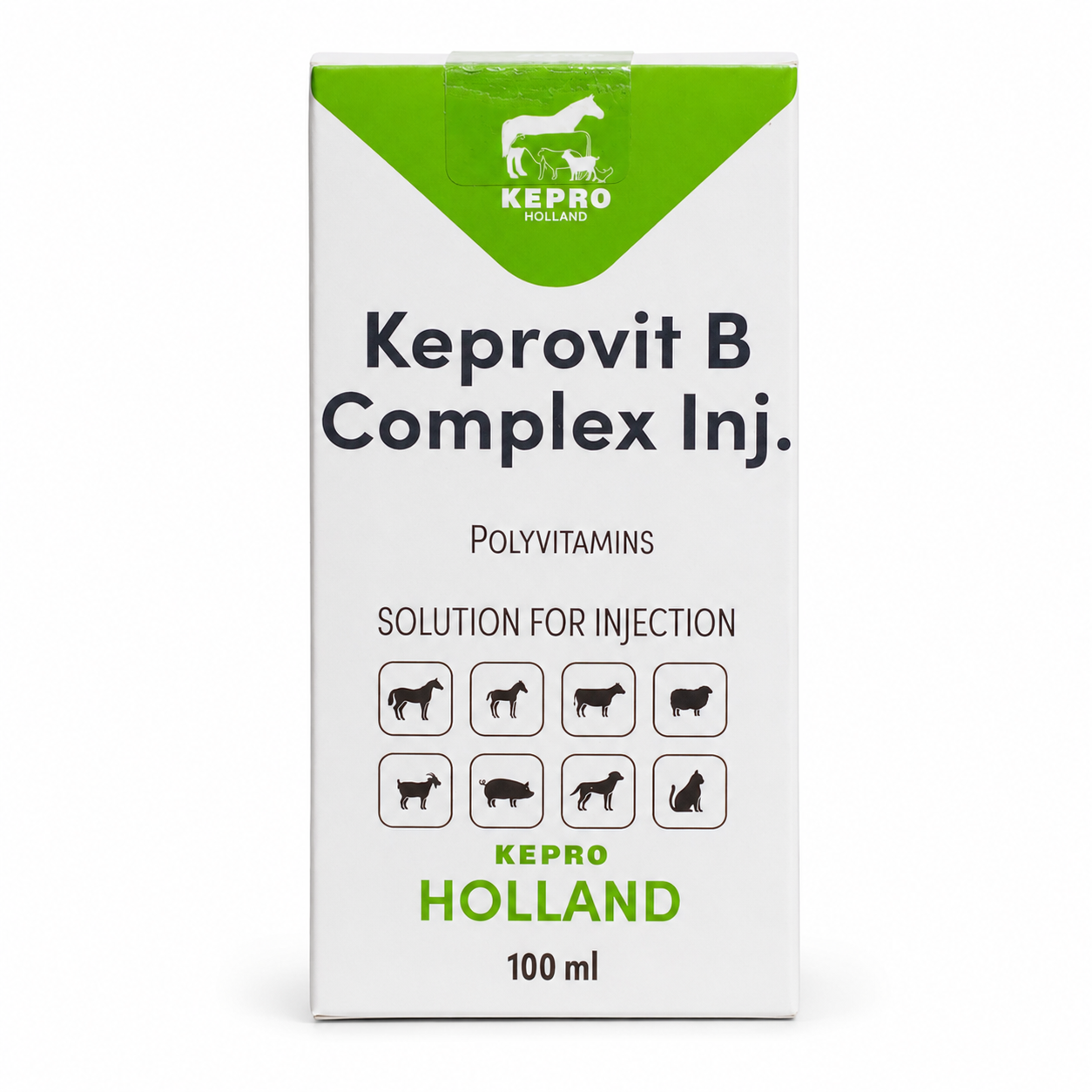
Keprovit B Complex Inj.
Keprovit B Complex Inj. is a veterinary multivitamin solution for injection formulated to provide animals with a comprehensive source of B-group vitamins. These essential vitamins participate in a wide range of metabolic processes and are particularly important for energy production, nutrient utilization, normal nervous system function, blood formation, appetite, growth and overall physiological performance. Because B vitamins are involved in the metabolism of carbohydrates, proteins and fats, maintaining an adequate supply is important for animals experiencing periods of increased nutritional demand.
The requirement for B-complex vitamins may increase during rapid growth, pregnancy, lactation, intensive production, transportation, environmental stress, reduced feed intake and recovery following illness. Nutritional imbalance, poor appetite or periods of increased metabolic activity may also contribute to an insufficient supply of certain vitamins. Keprovit B Complex Inj. provides a practical injectable option for delivering these nutrients directly when additional vitamin support is considered appropriate by a veterinarian.
By supporting normal metabolic pathways, B vitamins contribute to the efficient conversion of dietary nutrients into usable energy. This makes Keprovit B Complex Inj. particularly relevant as part of supportive veterinary management for animals showing reduced appetite, weakness, poor general condition or increased nutritional requirements. Several B-group vitamins also contribute to the normal functioning of the nervous and muscular systems and are involved in processes related to red blood cell formation and tissue metabolism.
As an injectable preparation, Keprovit B Complex Inj. offers an alternative to oral supplementation in situations where feed or water consumption is reduced or when direct administration is preferred. The product is intended for veterinary use in animal species indicated on the official label and product information. Its use can form part of a broader animal health and nutritional support program aimed at maintaining vitality, feed utilization, metabolic efficiency and general condition.
Keprovit B Complex Inj. should be administered according to the official product instructions and under appropriate veterinary guidance. Dosage, route of administration, frequency and duration should be determined according to the animal species, body weight, clinical condition and nutritional requirements. The product should not be considered a substitute for balanced feeding, appropriate herd management or veterinary diagnosis and treatment.
When used responsibly as part of a comprehensive veterinary program, Keprovit B Complex Inj. provides a convenient source of B-complex vitamins to support normal metabolism, appetite, energy production, growth, recovery and overall animal performance.
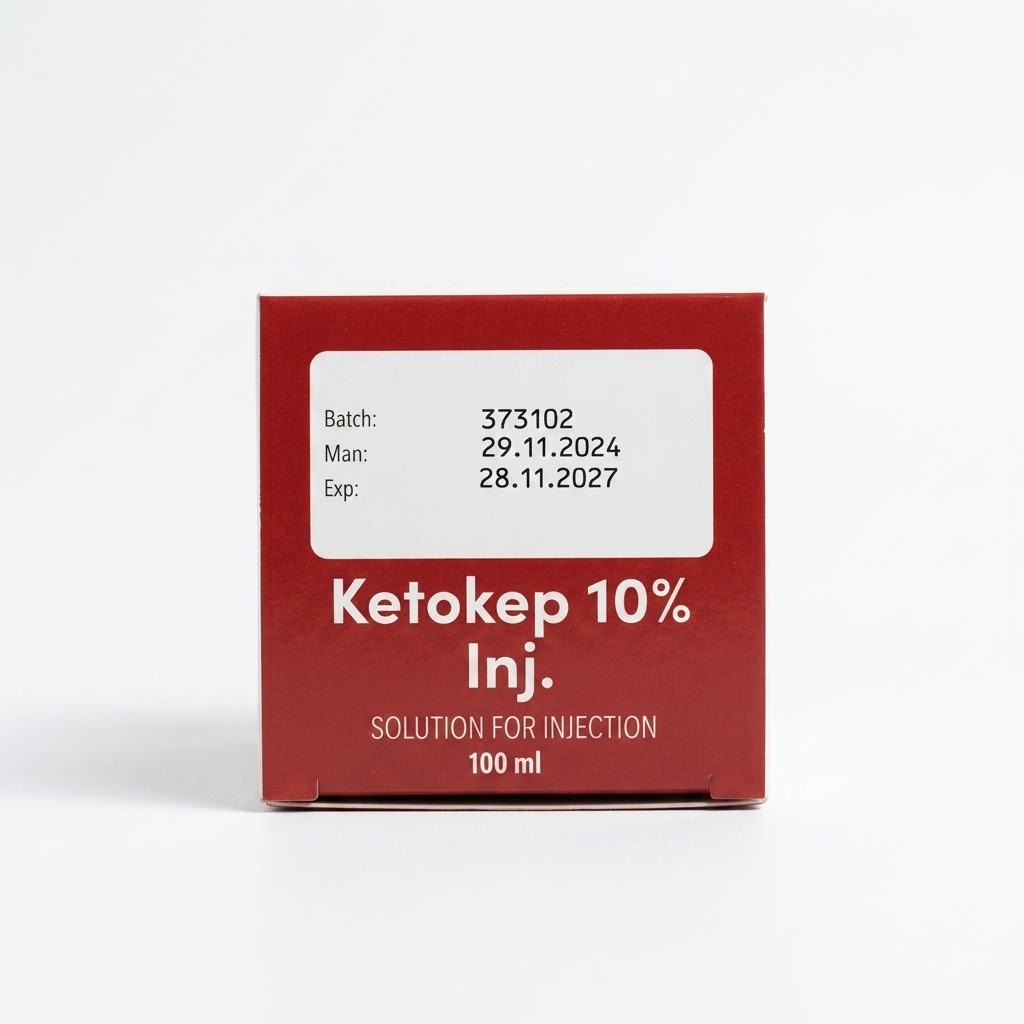
Ketokep 10% Inj.
Ketokep 10% Inj. is a Kepro veterinary product developed to provide a clearly defined therapeutic or nutritional role. Its formulation is based on ketoprofen 10% in an injectable veterinary formulation. These components give the product a practical place in veterinary programs aimed at short-term management of pain, inflammation and fever associated with musculoskeletal disease and selected acute inflammatory conditions. The dosage form is designed for professional animal use and should be incorporated into a treatment or support plan only in accordance with the approved label and local registration.
From a functional perspective, Ketoprofen is a non-steroidal anti-inflammatory drug that inhibits cyclo-oxygenase pathways and reduces prostaglandin production, producing analgesic, anti-inflammatory and antipyretic effects. This profile explains why the product may be useful when a veterinarian wants to address a specific physiological or clinical need rather than treat signs without identifying their cause. According to available product information, target species include livestock species according to local product registration and veterinary direction. Final case selection still depends on diagnosis, age, body weight, production stage and the presence of concurrent disease or medicines that could influence response or safety.
A key strength of Ketokep 10% Inj. is the combination of a recognizable active profile with a veterinary dosage form suited to routine clinic or farm use. When selected for the right case, it can form part of a broader program intended to support or treat short-term management of pain, inflammation and fever associated with musculoskeletal disease and selected acute inflammatory conditions. It should not be presented as a universal answer to every animal showing the same clinical sign, because similar signs may arise from very different infectious, nutritional, metabolic or management-related causes.
Before using an NSAID, hydration, renal function and gastrointestinal risk should be considered because adverse effects are more likely in dehydrated animals or those with shock, ulceration or kidney impairment. Concurrent use of multiple NSAIDs or an NSAID with a corticosteroid should generally be avoided unless specifically directed. Analgesic therapy is most effective when combined with diagnosis and management of the condition that is causing pain or inflammation.
This copy is written for a veterinary product page, so it focuses on product identity, clinical or nutritional role, and practical positioning rather than reproducing a dosing leaflet. The product should always be used according to the locally approved label and package leaflet because authorized species, dosage schedules, withdrawal periods, contraindications and warnings may differ between markets. Appropriate veterinary use also depends on diagnosis, body weight, age, kidney and liver status, pregnancy or lactation, concurrent medicines and, for antimicrobials, the likely or confirmed susceptibility of the causative organism. Website information should therefore complement, not replace, professional veterinary advice and the manufacturer’s approved instructions.
For a website product page, Ketokep 10% Inj. can be positioned as a specialized Kepro option with a defined formulation and a clear practical purpose. A complete page should ideally show the original pack, dosage form, principal active ingredients, registered target species and the general therapeutic or nutritional role. Detailed dosage, withdrawal and contraindication information should remain linked to the official leaflet or be provided by a veterinarian. This approach gives customers useful, professional information while keeping regulatory and clinical decisions where they belong: with the approved product information and qualified veterinary guidance.
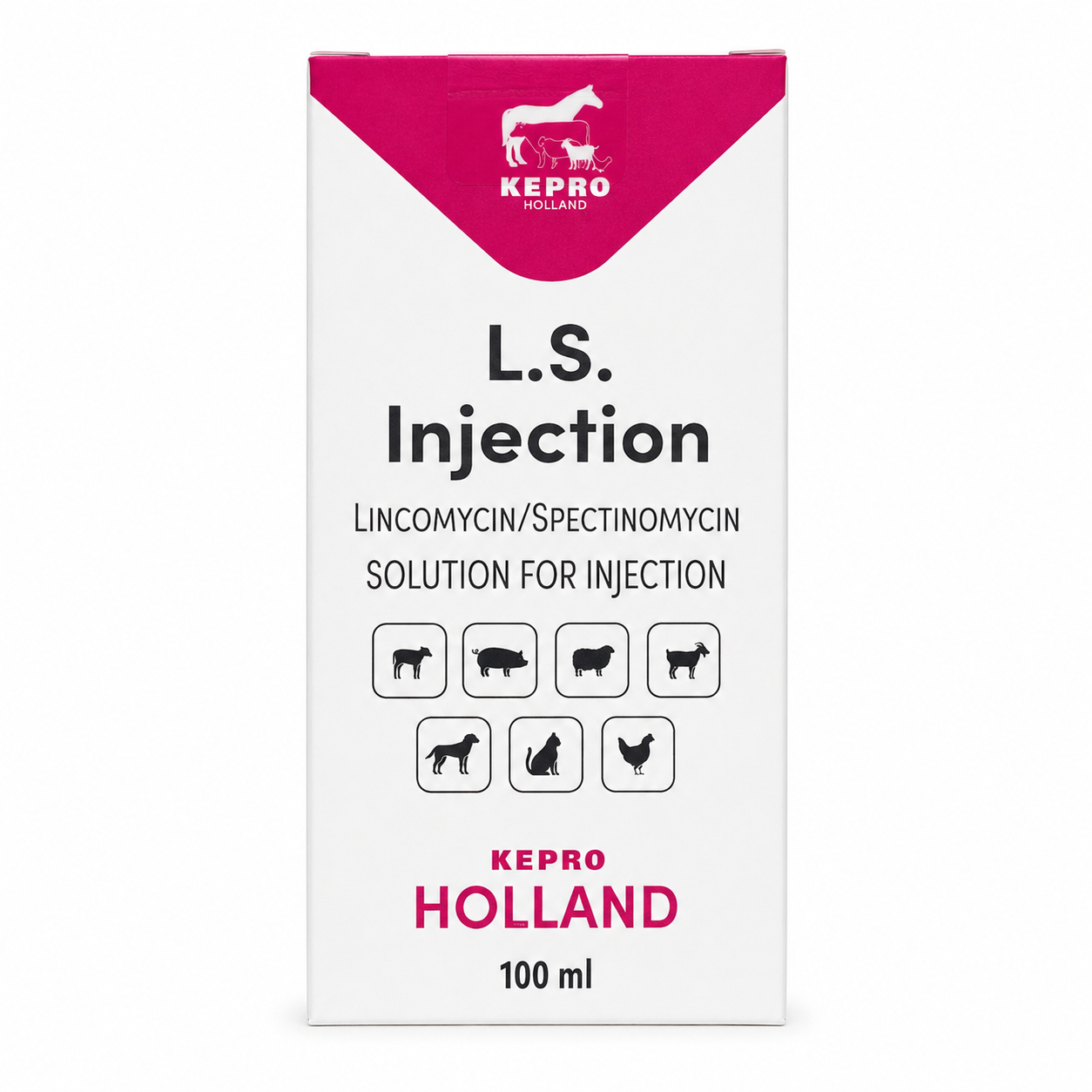
L.S. Injection
L.S. Injection is a Kepro veterinary product developed to provide a clearly defined therapeutic or nutritional role. Its formulation is based on lincomycin 50 mg/ml and spectinomycin 100 mg/ml. These components give the product a practical place in veterinary programs aimed at susceptible respiratory and gastrointestinal infections, including infections in which Mycoplasma may be involved, as well as selected species-specific bacterial conditions. The dosage form is designed for professional animal use and should be incorporated into a treatment or support plan only in accordance with the approved label and local registration.
From a functional perspective, Lincomycin is active mainly against susceptible Gram-positive organisms and Mycoplasma, while spectinomycin extends activity particularly toward susceptible Gram-negative bacteria and Mycoplasma. Their combined profile broadens practical coverage. This profile explains why the product may be useful when a veterinarian wants to address a specific physiological or clinical need rather than treat signs without identifying their cause. According to available product information, target species include calves, pigs, sheep, goats, poultry, dogs and cats according to the Kepro catalogue. Final case selection still depends on diagnosis, age, body weight, production stage and the presence of concurrent disease or medicines that could influence response or safety.
A key strength of L.S. Injection is the combination of a recognizable active profile with a veterinary dosage form suited to routine clinic or farm use. When selected for the right case, it can form part of a broader program intended to support or treat susceptible respiratory and gastrointestinal infections, including infections in which Mycoplasma may be involved, as well as selected species-specific bacterial conditions. It should not be presented as a universal answer to every animal showing the same clinical sign, because similar signs may arise from very different infectious, nutritional, metabolic or management-related causes.
Responsible antimicrobial use is essential in infection management. Selection should be based on diagnosis, the likely site of infection and, whenever practical, culture and susceptibility testing. Unnecessary or repeated exposure can accelerate antimicrobial resistance, so treatment should follow veterinary direction and the prescribed course should be completed. Clinical improvement should be monitored together with farm-level measures such as hygiene, ventilation, water quality, nutrition, biosecurity and isolation of affected animals when appropriate.
This copy is written for a veterinary product page, so it focuses on product identity, clinical or nutritional role, and practical positioning rather than reproducing a dosing leaflet. The product should always be used according to the locally approved label and package leaflet because authorized species, dosage schedules, withdrawal periods, contraindications and warnings may differ between markets. Appropriate veterinary use also depends on diagnosis, body weight, age, kidney and liver status, pregnancy or lactation, concurrent medicines and, for antimicrobials, the likely or confirmed susceptibility of the causative organism. Website information should therefore complement, not replace, professional veterinary advice and the manufacturer’s approved instructions.
For a website product page, L.S. Injection can be positioned as a specialized Kepro option with a defined formulation and a clear practical purpose. A complete page should ideally show the original pack, dosage form, principal active ingredients, registered target species and the general therapeutic or nutritional role. Detailed dosage, withdrawal and contraindication information should remain linked to the official leaflet or be provided by a veterinarian. This approach gives customers useful, professional information while keeping regulatory and clinical decisions where they belong: with the approved product information and qualified veterinary guidance.
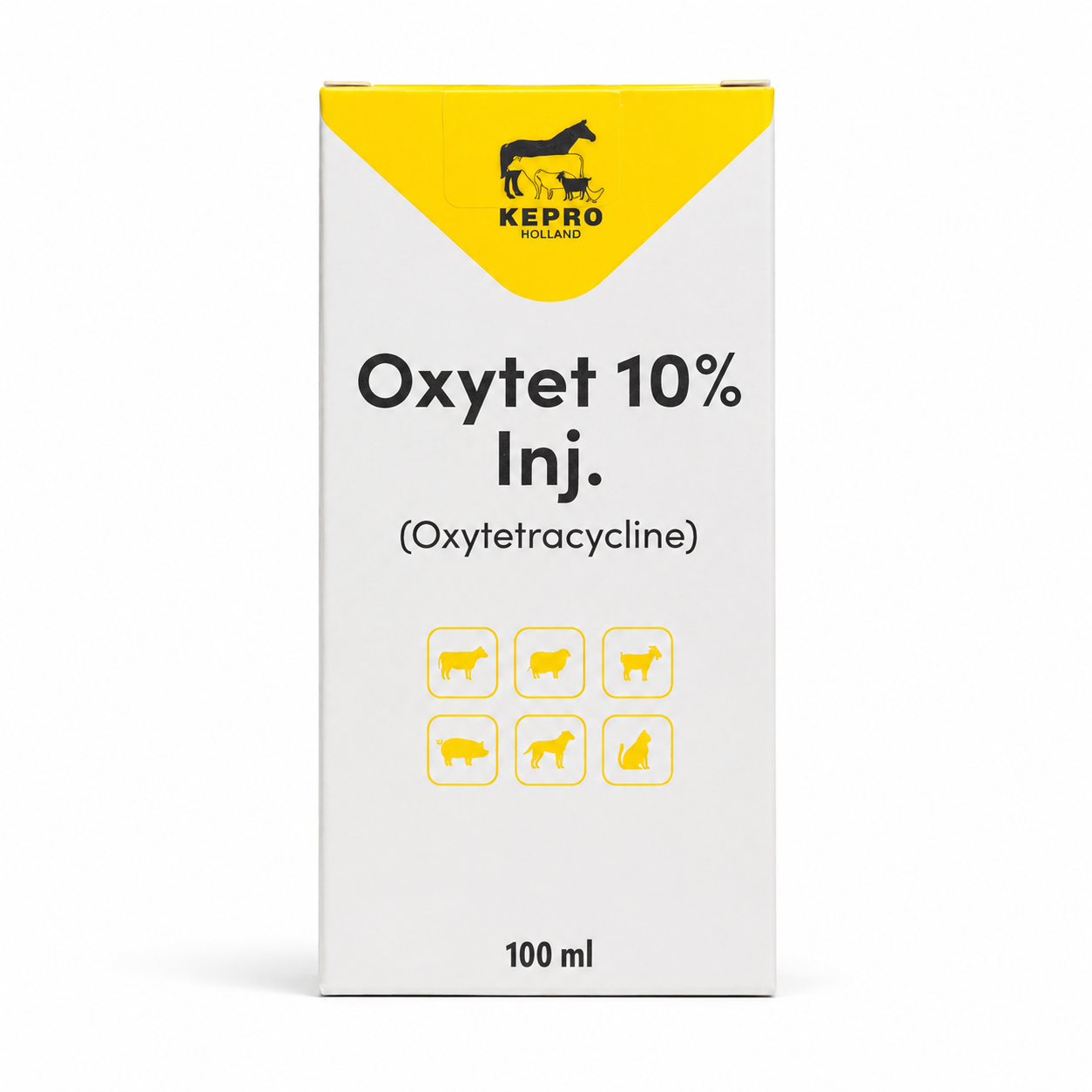
Oxytet 10% Inj.
Oxytet 10% Inj. is a Kepro veterinary product developed to provide a clearly defined therapeutic or nutritional role. Its formulation is based on oxytetracycline hydrochloride 100 mg/ml. These components give the product a practical place in veterinary programs aimed at susceptible systemic, respiratory and localized bacterial infections where oxytetracycline therapy is appropriate. The dosage form is designed for professional animal use and should be incorporated into a treatment or support plan only in accordance with the approved label and local registration.
From a functional perspective, Oxytetracycline is a broad-spectrum tetracycline antibiotic that binds to the bacterial 30S ribosomal subunit and inhibits protein synthesis, producing a mainly bacteriostatic effect against susceptible organisms. This profile explains why the product may be useful when a veterinarian wants to address a specific physiological or clinical need rather than treat signs without identifying their cause. According to available product information, target species include cattle, pigs, sheep, goats, cats and dogs. Final case selection still depends on diagnosis, age, body weight, production stage and the presence of concurrent disease or medicines that could influence response or safety.
A key strength of Oxytet 10% Inj. is the combination of a recognizable active profile with a veterinary dosage form suited to routine clinic or farm use. When selected for the right case, it can form part of a broader program intended to support or treat susceptible systemic, respiratory and localized bacterial infections where oxytetracycline therapy is appropriate. It should not be presented as a universal answer to every animal showing the same clinical sign, because similar signs may arise from very different infectious, nutritional, metabolic or management-related causes.
Responsible antimicrobial use is essential in infection management. Selection should be based on diagnosis, the likely site of infection and, whenever practical, culture and susceptibility testing. Unnecessary or repeated exposure can accelerate antimicrobial resistance, so treatment should follow veterinary direction and the prescribed course should be completed. Clinical improvement should be monitored together with farm-level measures such as hygiene, ventilation, water quality, nutrition, biosecurity and isolation of affected animals when appropriate.
This copy is written for a veterinary product page, so it focuses on product identity, clinical or nutritional role, and practical positioning rather than reproducing a dosing leaflet. The product should always be used according to the locally approved label and package leaflet because authorized species, dosage schedules, withdrawal periods, contraindications and warnings may differ between markets. Appropriate veterinary use also depends on diagnosis, body weight, age, kidney and liver status, pregnancy or lactation, concurrent medicines and, for antimicrobials, the likely or confirmed susceptibility of the causative organism. Website information should therefore complement, not replace, professional veterinary advice and the manufacturer’s approved instructions.
For a website product page, Oxytet 10% Inj. can be positioned as a specialized Kepro option with a defined formulation and a clear practical purpose. A complete page should ideally show the original pack, dosage form, principal active ingredients, registered target species and the general therapeutic or nutritional role. Detailed dosage, withdrawal and contraindication information should remain linked to the official leaflet or be provided by a veterinarian. This approach gives customers useful, professional information while keeping regulatory and clinical decisions where they belong: with the approved product information and qualified veterinary guidance.
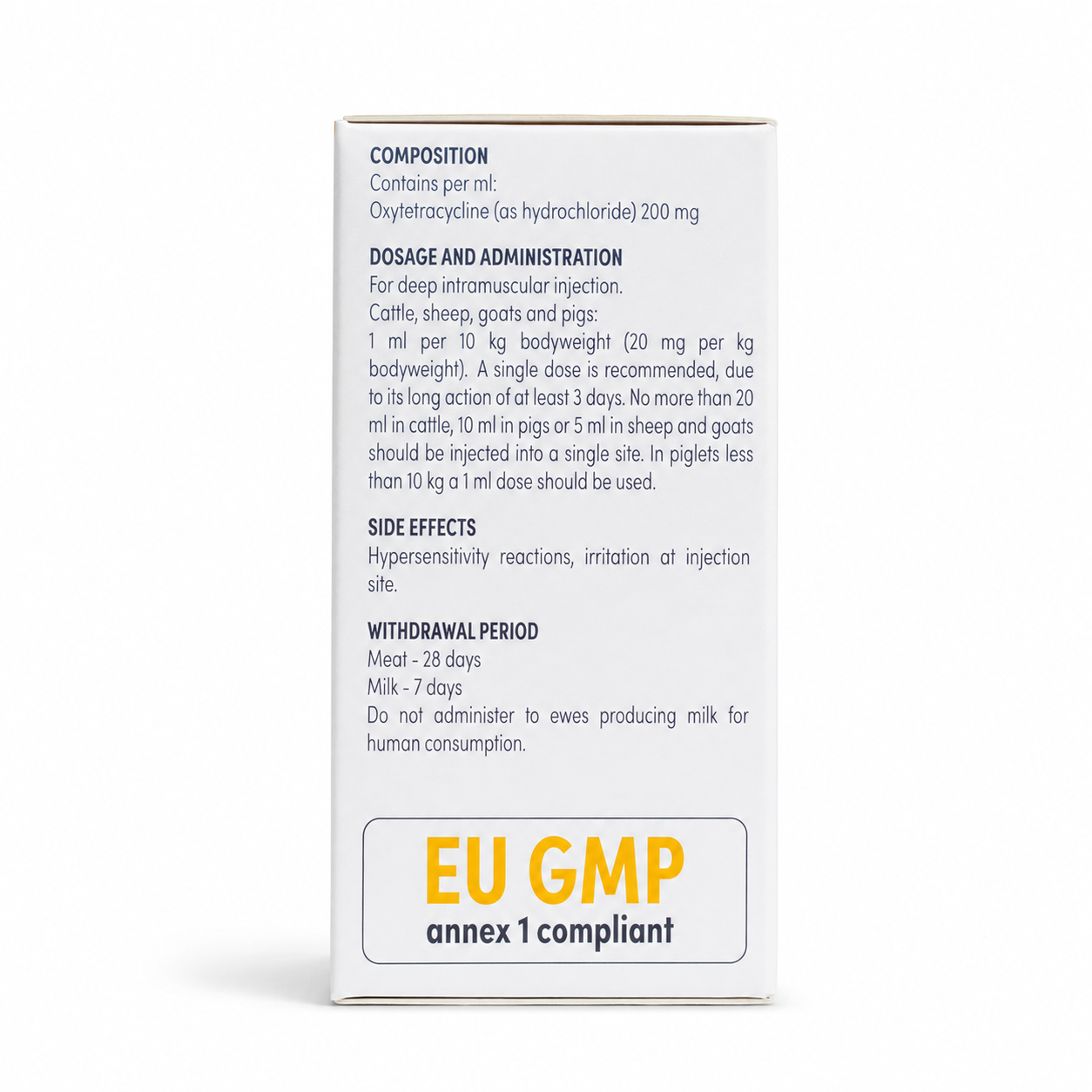
Oxytet 20% LA Inj.
Oxytet 20% LA Inj. is a Kepro veterinary product developed to provide a clearly defined therapeutic or nutritional role. Its formulation is based on oxytetracycline 200 mg/ml in a long-acting injectable formulation. These components give the product a practical place in veterinary programs aimed at susceptible respiratory, systemic and localized bacterial infections where extended oxytetracycline exposure is clinically useful. The dosage form is designed for professional animal use and should be incorporated into a treatment or support plan only in accordance with the approved label and local registration.
From a functional perspective, The active substance inhibits bacterial protein synthesis through the 30S ribosomal subunit. The long-acting carrier is designed to extend therapeutic concentrations after administration compared with conventional short-acting oxytetracycline injections. This profile explains why the product may be useful when a veterinarian wants to address a specific physiological or clinical need rather than treat signs without identifying their cause. According to available product information, target species include cattle, sheep, goats and pigs as indicated on current packaging and product information. Final case selection still depends on diagnosis, age, body weight, production stage and the presence of concurrent disease or medicines that could influence response or safety.
A key strength of Oxytet 20% LA Inj. is the combination of a recognizable active profile with a veterinary dosage form suited to routine clinic or farm use. When selected for the right case, it can form part of a broader program intended to support or treat susceptible respiratory, systemic and localized bacterial infections where extended oxytetracycline exposure is clinically useful. It should not be presented as a universal answer to every animal showing the same clinical sign, because similar signs may arise from very different infectious, nutritional, metabolic or management-related causes.
Responsible antimicrobial use is essential in infection management. Selection should be based on diagnosis, the likely site of infection and, whenever practical, culture and susceptibility testing. Unnecessary or repeated exposure can accelerate antimicrobial resistance, so treatment should follow veterinary direction and the prescribed course should be completed. Clinical improvement should be monitored together with farm-level measures such as hygiene, ventilation, water quality, nutrition, biosecurity and isolation of affected animals when appropriate.
This copy is written for a veterinary product page, so it focuses on product identity, clinical or nutritional role, and practical positioning rather than reproducing a dosing leaflet. The product should always be used according to the locally approved label and package leaflet because authorized species, dosage schedules, withdrawal periods, contraindications and warnings may differ between markets. Appropriate veterinary use also depends on diagnosis, body weight, age, kidney and liver status, pregnancy or lactation, concurrent medicines and, for antimicrobials, the likely or confirmed susceptibility of the causative organism. Website information should therefore complement, not replace, professional veterinary advice and the manufacturer’s approved instructions.
For a website product page, Oxytet 20% LA Inj. can be positioned as a specialized Kepro option with a defined formulation and a clear practical purpose. A complete page should ideally show the original pack, dosage form, principal active ingredients, registered target species and the general therapeutic or nutritional role. Detailed dosage, withdrawal and contraindication information should remain linked to the official leaflet or be provided by a veterinarian. This approach gives customers useful, professional information while keeping regulatory and clinical decisions where they belong: with the approved product information and qualified veterinary guidance.
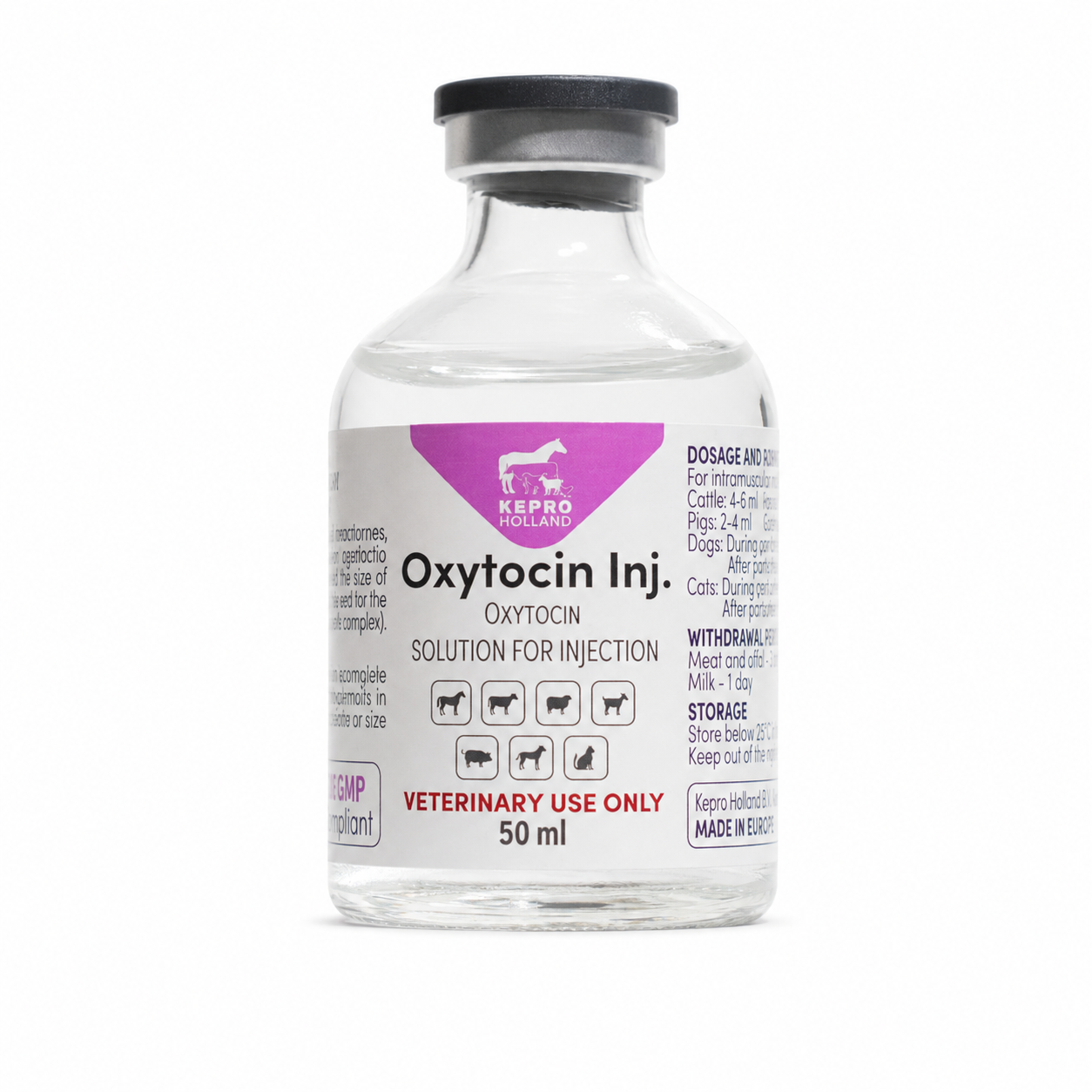
Oxytocin Inj.
Oxytocin Inj. is a Kepro veterinary product developed to provide a clearly defined therapeutic or nutritional role. Its formulation is based on synthetic oxytocin in a veterinary solution for injection. These components give the product a practical place in veterinary programs aimed at selected reproductive and postpartum situations such as weak uterine contractions, uterine atony, retained placenta, postpartum bleeding and support of milk let-down where clinically indicated. The dosage form is designed for professional animal use and should be incorporated into a treatment or support plan only in accordance with the approved label and local registration.
From a functional perspective, Oxytocin acts on smooth muscle receptors in the uterus and myoepithelial cells of the mammary gland, promoting coordinated uterine contraction and milk ejection when the physiological context is appropriate. This profile explains why the product may be useful when a veterinarian wants to address a specific physiological or clinical need rather than treat signs without identifying their cause. According to available product information, target species include cattle, horses, pigs, sheep, goats, dogs and cats as indicated on the product label. Final case selection still depends on diagnosis, age, body weight, production stage and the presence of concurrent disease or medicines that could influence response or safety.
A key strength of Oxytocin Inj. is the combination of a recognizable active profile with a veterinary dosage form suited to routine clinic or farm use. When selected for the right case, it can form part of a broader program intended to support or treat selected reproductive and postpartum situations such as weak uterine contractions, uterine atony, retained placenta, postpartum bleeding and support of milk let-down where clinically indicated. It should not be presented as a universal answer to every animal showing the same clinical sign, because similar signs may arise from very different infectious, nutritional, metabolic or management-related causes.
Hormonal medicines require a clear diagnosis and appropriate timing. Response to oxytocin depends on the stage of parturition, cervical and uterine status and the absence of mechanical obstruction. It should not be used routinely for dystocia without veterinary assessment because stronger uterine contractions in the presence of an obstruction can endanger both dam and fetus. Good reproductive care also includes evaluation of bleeding, retained placenta, udder health and postpartum recovery.
This copy is written for a veterinary product page, so it focuses on product identity, clinical or nutritional role, and practical positioning rather than reproducing a dosing leaflet. The product should always be used according to the locally approved label and package leaflet because authorized species, dosage schedules, withdrawal periods, contraindications and warnings may differ between markets. Appropriate veterinary use also depends on diagnosis, body weight, age, kidney and liver status, pregnancy or lactation, concurrent medicines and, for antimicrobials, the likely or confirmed susceptibility of the causative organism. Website information should therefore complement, not replace, professional veterinary advice and the manufacturer’s approved instructions.
For a website product page, Oxytocin Inj. can be positioned as a specialized Kepro option with a defined formulation and a clear practical purpose. A complete page should ideally show the original pack, dosage form, principal active ingredients, registered target species and the general therapeutic or nutritional role. Detailed dosage, withdrawal and contraindication information should remain linked to the official leaflet or be provided by a veterinarian. This approach gives customers useful, professional information while keeping regulatory and clinical decisions where they belong: with the approved product information and qualified veterinary guidance.
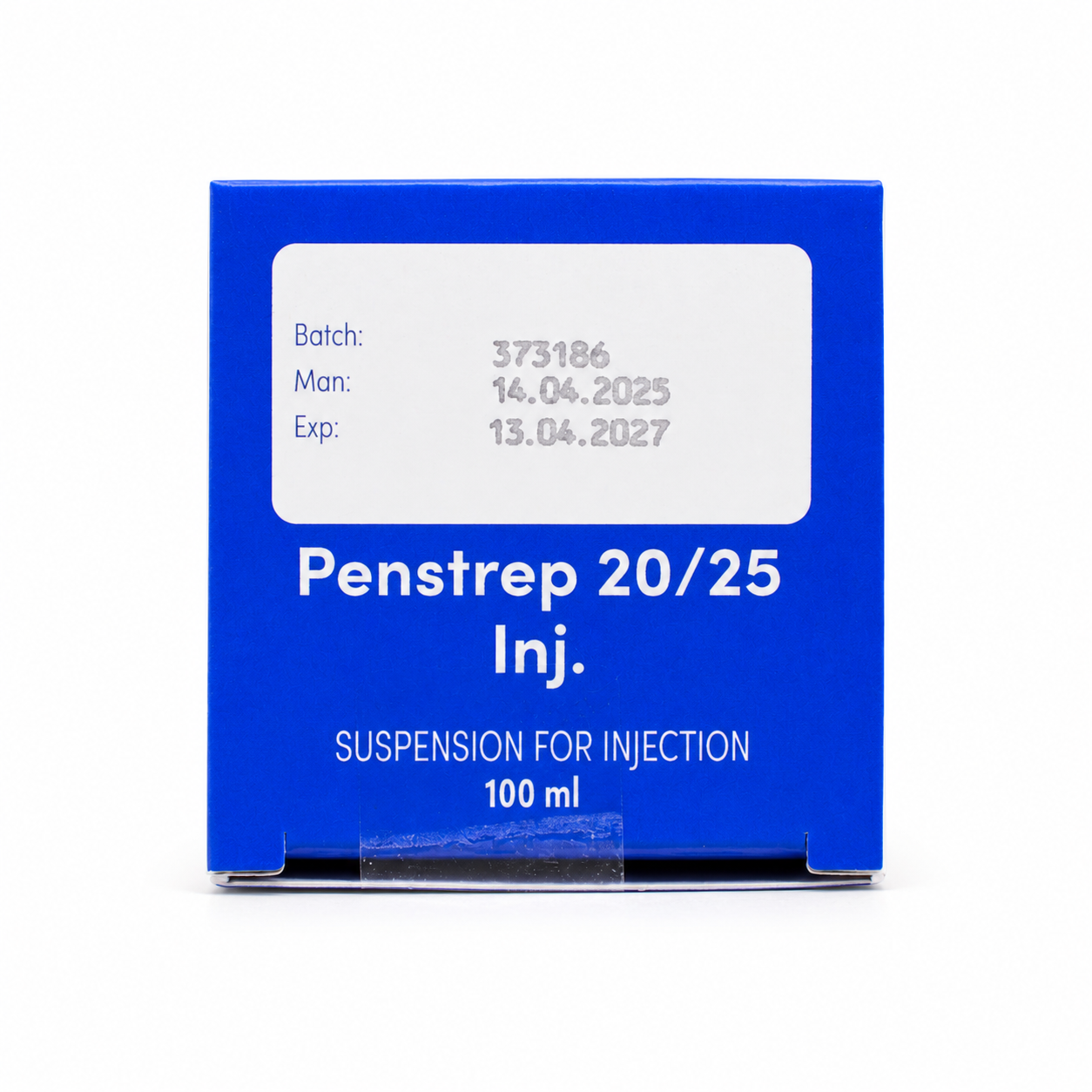
Penstrep 20/25 Inj.
Penstrep 20/25 Inj. is a Kepro veterinary product developed to provide a clearly defined therapeutic or nutritional role. Its formulation is based on procaine penicillin G 200 mg/ml and dihydrostreptomycin sulphate 250 mg/ml. These components give the product a practical place in veterinary programs aimed at susceptible respiratory, uterine and alimentary infections, mastitis, metritis, septic conditions, cystitis, joint infections and selected secondary bacterial infections. The dosage form is designed for professional animal use and should be incorporated into a treatment or support plan only in accordance with the approved label and local registration.
From a functional perspective, Procaine penicillin provides bactericidal activity primarily against susceptible Gram-positive organisms, while dihydrostreptomycin is an aminoglycoside active against a complementary range of susceptible bacteria. The combination is intended to broaden antibacterial coverage. This profile explains why the product may be useful when a veterinarian wants to address a specific physiological or clinical need rather than treat signs without identifying their cause. According to available product information, target species include cattle, horses, pigs, foals, calves, sheep and goats. Final case selection still depends on diagnosis, age, body weight, production stage and the presence of concurrent disease or medicines that could influence response or safety.
A key strength of Penstrep 20/25 Inj. is the combination of a recognizable active profile with a veterinary dosage form suited to routine clinic or farm use. When selected for the right case, it can form part of a broader program intended to support or treat susceptible respiratory, uterine and alimentary infections, mastitis, metritis, septic conditions, cystitis, joint infections and selected secondary bacterial infections. It should not be presented as a universal answer to every animal showing the same clinical sign, because similar signs may arise from very different infectious, nutritional, metabolic or management-related causes.
Responsible antimicrobial use is essential in infection management. Selection should be based on diagnosis, the likely site of infection and, whenever practical, culture and susceptibility testing. Unnecessary or repeated exposure can accelerate antimicrobial resistance, so treatment should follow veterinary direction and the prescribed course should be completed. Clinical improvement should be monitored together with farm-level measures such as hygiene, ventilation, water quality, nutrition, biosecurity and isolation of affected animals when appropriate.
This copy is written for a veterinary product page, so it focuses on product identity, clinical or nutritional role, and practical positioning rather than reproducing a dosing leaflet. The product should always be used according to the locally approved label and package leaflet because authorized species, dosage schedules, withdrawal periods, contraindications and warnings may differ between markets. Appropriate veterinary use also depends on diagnosis, body weight, age, kidney and liver status, pregnancy or lactation, concurrent medicines and, for antimicrobials, the likely or confirmed susceptibility of the causative organism. Website information should therefore complement, not replace, professional veterinary advice and the manufacturer’s approved instructions.
For a website product page, Penstrep 20/25 Inj. can be positioned as a specialized Kepro option with a defined formulation and a clear practical purpose. A complete page should ideally show the original pack, dosage form, principal active ingredients, registered target species and the general therapeutic or nutritional role. Detailed dosage, withdrawal and contraindication information should remain linked to the official leaflet or be provided by a veterinarian. This approach gives customers useful, professional information while keeping regulatory and clinical decisions where they belong: with the approved product information and qualified veterinary guidance.
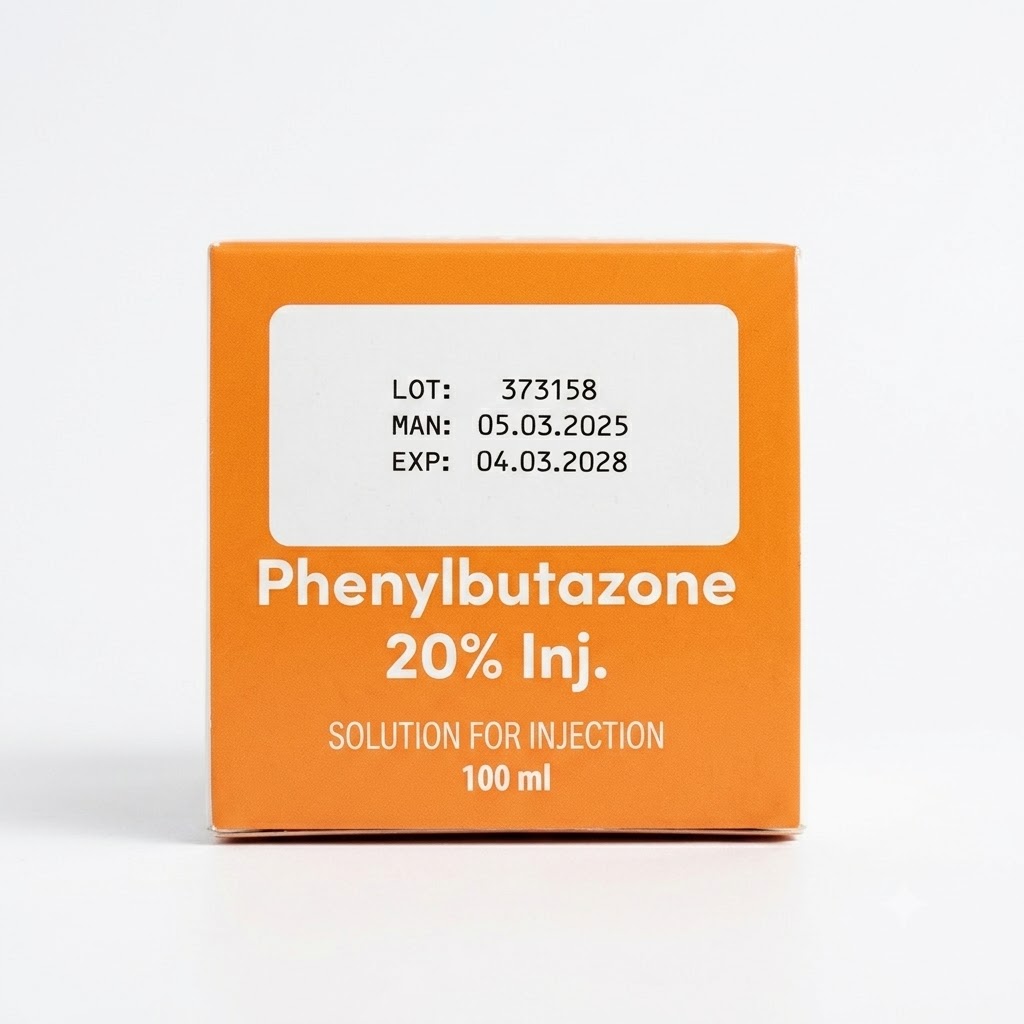
Phenylbutazone 20% Inj.
Phenylbutazone 20% Inj. is a Kepro veterinary product developed to provide a clearly defined therapeutic or nutritional role. Its formulation is based on phenylbutazone 20% in a veterinary solution for injection. These components give the product a practical place in veterinary programs aimed at management of pain and inflammation, particularly musculoskeletal and locomotor conditions where a veterinarian selects an NSAID approach. The dosage form is designed for professional animal use and should be incorporated into a treatment or support plan only in accordance with the approved label and local registration.
From a functional perspective, Phenylbutazone is an NSAID that reduces prostaglandin synthesis and thereby decreases inflammatory pain, swelling and related discomfort. Its use requires careful attention to species, hydration status and gastrointestinal or renal risk. This profile explains why the product may be useful when a veterinarian wants to address a specific physiological or clinical need rather than treat signs without identifying their cause. According to available product information, target species include species authorized by the local product registration, traditionally including horses in many veterinary markets. Final case selection still depends on diagnosis, age, body weight, production stage and the presence of concurrent disease or medicines that could influence response or safety.
A key strength of Phenylbutazone 20% Inj. is the combination of a recognizable active profile with a veterinary dosage form suited to routine clinic or farm use. When selected for the right case, it can form part of a broader program intended to support or treat management of pain and inflammation, particularly musculoskeletal and locomotor conditions where a veterinarian selects an NSAID approach. It should not be presented as a universal answer to every animal showing the same clinical sign, because similar signs may arise from very different infectious, nutritional, metabolic or management-related causes.
Before using an NSAID, hydration, renal function and gastrointestinal risk should be considered because adverse effects are more likely in dehydrated animals or those with shock, ulceration or kidney impairment. Concurrent use of multiple NSAIDs or an NSAID with a corticosteroid should generally be avoided unless specifically directed. Analgesic therapy is most effective when combined with diagnosis and management of the condition that is causing pain or inflammation.
This copy is written for a veterinary product page, so it focuses on product identity, clinical or nutritional role, and practical positioning rather than reproducing a dosing leaflet. The product should always be used according to the locally approved label and package leaflet because authorized species, dosage schedules, withdrawal periods, contraindications and warnings may differ between markets. Appropriate veterinary use also depends on diagnosis, body weight, age, kidney and liver status, pregnancy or lactation, concurrent medicines and, for antimicrobials, the likely or confirmed susceptibility of the causative organism. Website information should therefore complement, not replace, professional veterinary advice and the manufacturer’s approved instructions.
For a website product page, Phenylbutazone 20% Inj. can be positioned as a specialized Kepro option with a defined formulation and a clear practical purpose. A complete page should ideally show the original pack, dosage form, principal active ingredients, registered target species and the general therapeutic or nutritional role. Detailed dosage, withdrawal and contraindication information should remain linked to the official leaflet or be provided by a veterinarian. This approach gives customers useful, professional information while keeping regulatory and clinical decisions where they belong: with the approved product information and qualified veterinary guidance.
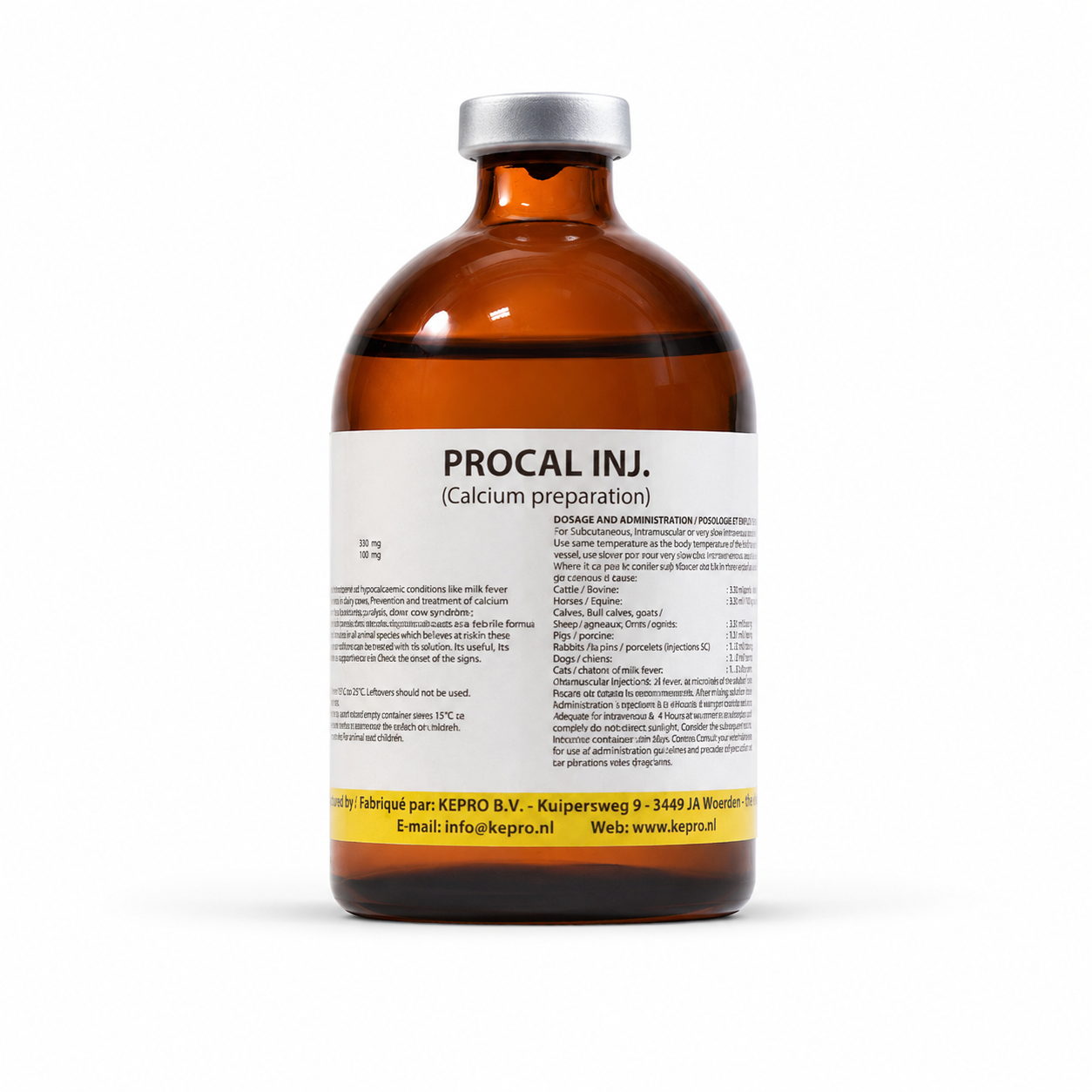
PROCAL INJ
PROCAL INJ. is a Kepro veterinary product developed to provide a clearly defined therapeutic or nutritional role. Its formulation is based on calcium gluconate 350 mg/ml and calcium glucoheptonate 100 mg/ml. These components give the product a practical place in veterinary programs aimed at support in hypocalcaemic conditions including milk fever and postpartum paresis, and prevention or treatment of calcium deficiency in indicated species. The dosage form is designed for professional animal use and should be incorporated into a treatment or support plan only in accordance with the approved label and local registration.
From a functional perspective, The two soluble calcium sources provide parenteral calcium that can be absorbed rapidly, helping restore circulating calcium when physiological demand exceeds intake or mobilization. This profile explains why the product may be useful when a veterinarian wants to address a specific physiological or clinical need rather than treat signs without identifying their cause. According to available product information, target species include cattle, horses, calves, foals, sheep, goats, pigs, piglets, dogs, cats and rabbits. Final case selection still depends on diagnosis, age, body weight, production stage and the presence of concurrent disease or medicines that could influence response or safety.
A key strength of PROCAL INJ. is the combination of a recognizable active profile with a veterinary dosage form suited to routine clinic or farm use. When selected for the right case, it can form part of a broader program intended to support or treat support in hypocalcaemic conditions including milk fever and postpartum paresis, and prevention or treatment of calcium deficiency in indicated species. It should not be presented as a universal answer to every animal showing the same clinical sign, because similar signs may arise from very different infectious, nutritional, metabolic or management-related causes.
Calcium disorders deserve prompt assessment because they may affect muscle, cardiac and neurologic function and often occur around parturition or high milk production. Injectable calcium should be administered carefully and animals should be monitored, especially during intravenous use, because overly rapid increases in circulating calcium can trigger adverse cardiac effects. Long-term prevention also depends on ration design, mineral balance and appropriate vitamin D status.
This copy is written for a veterinary product page, so it focuses on product identity, clinical or nutritional role, and practical positioning rather than reproducing a dosing leaflet. The product should always be used according to the locally approved label and package leaflet because authorized species, dosage schedules, withdrawal periods, contraindications and warnings may differ between markets. Appropriate veterinary use also depends on diagnosis, body weight, age, kidney and liver status, pregnancy or lactation, concurrent medicines and, for antimicrobials, the likely or confirmed susceptibility of the causative organism. Website information should therefore complement, not replace, professional veterinary advice and the manufacturer’s approved instructions.
For a website product page, PROCAL INJ. can be positioned as a specialized Kepro option with a defined formulation and a clear practical purpose. A complete page should ideally show the original pack, dosage form, principal active ingredients, registered target species and the general therapeutic or nutritional role. Detailed dosage, withdrawal and contraindication information should remain linked to the official leaflet or be provided by a veterinarian. This approach gives customers useful, professional information while keeping regulatory and clinical decisions where they belong: with the approved product information and qualified veterinary guidance.
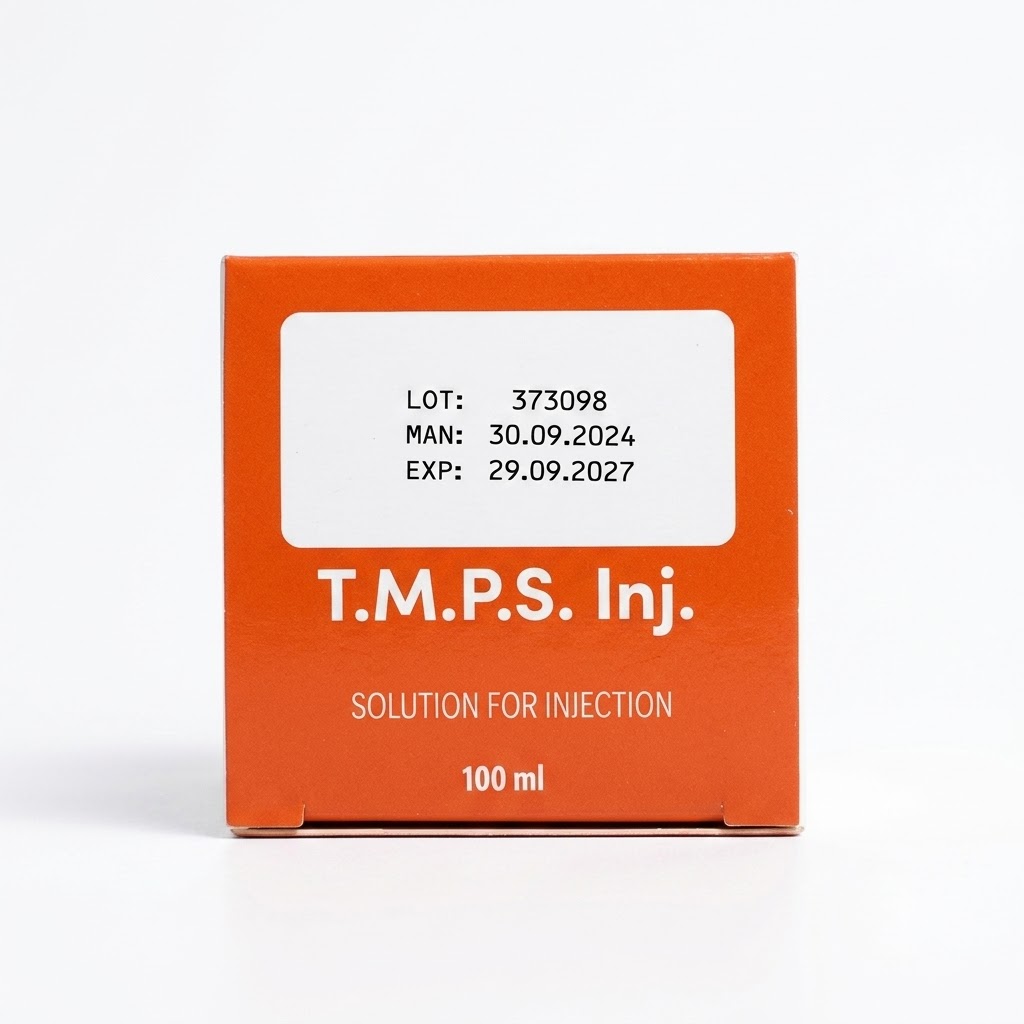
T.M.P.S. Inj.
T.M.P.S. Inj. is a Kepro veterinary product developed to provide a clearly defined therapeutic or nutritional role. Its formulation is based on trimethoprim 40 mg/ml and sulfamethoxazole 200 mg/ml. These components give the product a practical place in veterinary programs aimed at susceptible respiratory, alimentary and urogenital bacterial infections and selected secondary bacterial complications. The dosage form is designed for professional animal use and should be incorporated into a treatment or support plan only in accordance with the approved label and local registration.
From a functional perspective, Trimethoprim and sulfamethoxazole block sequential steps in bacterial folate metabolism. This complementary mechanism creates a strong synergistic antibacterial effect against many susceptible Gram-positive and Gram-negative organisms. This profile explains why the product may be useful when a veterinarian wants to address a specific physiological or clinical need rather than treat signs without identifying their cause. According to available product information, target species include cattle, horses and pigs under the current European product information, with additional species depending on local registration. Final case selection still depends on diagnosis, age, body weight, production stage and the presence of concurrent disease or medicines that could influence response or safety.
A key strength of T.M.P.S. Inj. is the combination of a recognizable active profile with a veterinary dosage form suited to routine clinic or farm use. When selected for the right case, it can form part of a broader program intended to support or treat susceptible respiratory, alimentary and urogenital bacterial infections and selected secondary bacterial complications. It should not be presented as a universal answer to every animal showing the same clinical sign, because similar signs may arise from very different infectious, nutritional, metabolic or management-related causes.
Responsible antimicrobial use is essential in infection management. Selection should be based on diagnosis, the likely site of infection and, whenever practical, culture and susceptibility testing. Unnecessary or repeated exposure can accelerate antimicrobial resistance, so treatment should follow veterinary direction and the prescribed course should be completed. Clinical improvement should be monitored together with farm-level measures such as hygiene, ventilation, water quality, nutrition, biosecurity and isolation of affected animals when appropriate.
This copy is written for a veterinary product page, so it focuses on product identity, clinical or nutritional role, and practical positioning rather than reproducing a dosing leaflet. The product should always be used according to the locally approved label and package leaflet because authorized species, dosage schedules, withdrawal periods, contraindications and warnings may differ between markets. Appropriate veterinary use also depends on diagnosis, body weight, age, kidney and liver status, pregnancy or lactation, concurrent medicines and, for antimicrobials, the likely or confirmed susceptibility of the causative organism. Website information should therefore complement, not replace, professional veterinary advice and the manufacturer’s approved instructions.
For a website product page, T.M.P.S. Inj. can be positioned as a specialized Kepro option with a defined formulation and a clear practical purpose. A complete page should ideally show the original pack, dosage form, principal active ingredients, registered target species and the general therapeutic or nutritional role. Detailed dosage, withdrawal and contraindication information should remain linked to the official leaflet or be provided by a veterinarian. This approach gives customers useful, professional information while keeping regulatory and clinical decisions where they belong: with the approved product information and qualified veterinary guidance.
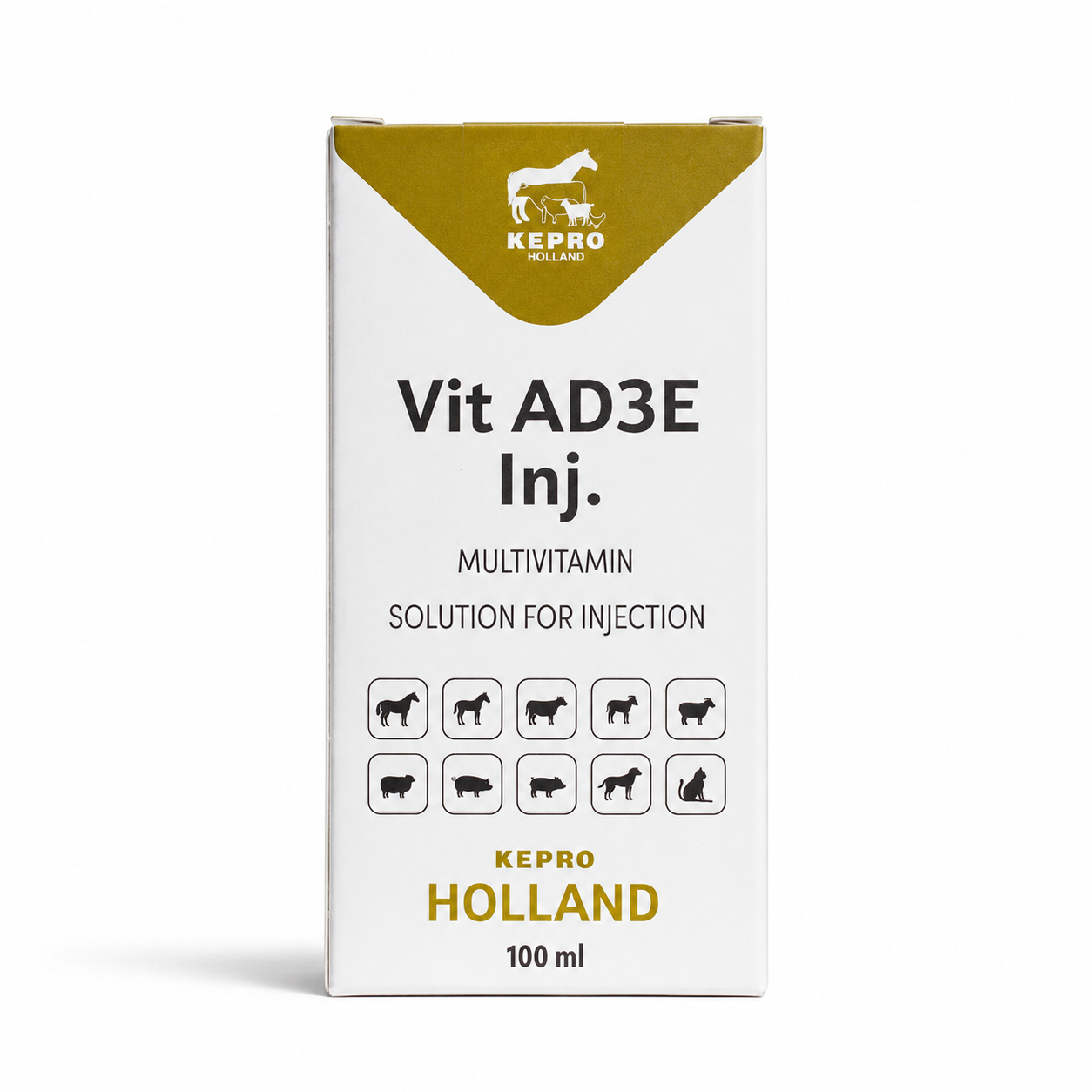
Vit AD3E Inj.
Vit AD3E Inj. is a Kepro veterinary product developed to provide a clearly defined therapeutic or nutritional role. Its formulation is based on injectable vitamins A, D3 and E. These components give the product a practical place in veterinary programs aimed at prevention and correction of deficiencies involving vitamins A, D3 and E, with nutritional support for growth, reproduction, epithelial health, bone metabolism and recovery. The dosage form is designed for professional animal use and should be incorporated into a treatment or support plan only in accordance with the approved label and local registration.
From a functional perspective, Vitamin A contributes to epithelial and visual function, vitamin D3 regulates calcium and phosphorus metabolism, and vitamin E provides antioxidant protection that is particularly relevant to muscle and cell-membrane health. This profile explains why the product may be useful when a veterinarian wants to address a specific physiological or clinical need rather than treat signs without identifying their cause. According to available product information, target species include horses, cattle, calves, pigs, sheep, goats and other species shown on the product label. Final case selection still depends on diagnosis, age, body weight, production stage and the presence of concurrent disease or medicines that could influence response or safety.
A key strength of Vit AD3E Inj. is the combination of a recognizable active profile with a veterinary dosage form suited to routine clinic or farm use. When selected for the right case, it can form part of a broader program intended to support or treat prevention and correction of deficiencies involving vitamins A, D3 and E, with nutritional support for growth, reproduction, epithelial health, bone metabolism and recovery. It should not be presented as a universal answer to every animal showing the same clinical sign, because similar signs may arise from very different infectious, nutritional, metabolic or management-related causes.
Nutritional supplements work best as part of a balanced feeding and management program rather than as a substitute for good feed or for treatment of an underlying disease. Requirements may rise during transport, vaccination, feed changes, convalescence, peak production and environmental stress. Reviewing the total vitamin and mineral contribution of the ration helps prevent both deficiency and unnecessary oversupply, particularly with nutrients that can accumulate when used excessively.
This copy is written for a veterinary product page, so it focuses on product identity, clinical or nutritional role, and practical positioning rather than reproducing a dosing leaflet. The product should always be used according to the locally approved label and package leaflet because authorized species, dosage schedules, withdrawal periods, contraindications and warnings may differ between markets. Appropriate veterinary use also depends on diagnosis, body weight, age, kidney and liver status, pregnancy or lactation, concurrent medicines and, for antimicrobials, the likely or confirmed susceptibility of the causative organism. Website information should therefore complement, not replace, professional veterinary advice and the manufacturer’s approved instructions.
For a website product page, Vit AD3E Inj. can be positioned as a specialized Kepro option with a defined formulation and a clear practical purpose. A complete page should ideally show the original pack, dosage form, principal active ingredients, registered target species and the general therapeutic or nutritional role. Detailed dosage, withdrawal and contraindication information should remain linked to the official leaflet or be provided by a veterinarian. This approach gives customers useful, professional information while keeping regulatory and clinical decisions where they belong: with the approved product information and qualified veterinary guidance.

Vit E + Sel Inj.
Vit E + Sel Inj. is a Kepro veterinary product developed to provide a clearly defined therapeutic or nutritional role. Its formulation is based on vitamin E (RRR-alpha-tocopheryl acetate) and sodium selenite in an injectable veterinary formulation. These components give the product a practical place in veterinary programs aimed at correction and prevention of vitamin E or selenium deficiency and support of muscle integrity, fertility, immune function and antioxidant defense. The dosage form is designed for professional animal use and should be incorporated into a treatment or support plan only in accordance with the approved label and local registration.
From a functional perspective, Vitamin E limits lipid peroxidation in cell membranes, while selenium supports glutathione-peroxidase and related antioxidant systems. Together they help protect high-demand tissues such as skeletal and cardiac muscle. This profile explains why the product may be useful when a veterinarian wants to address a specific physiological or clinical need rather than treat signs without identifying their cause. According to available product information, target species include horses, cattle, sheep, goats and pigs as indicated on the package. Final case selection still depends on diagnosis, age, body weight, production stage and the presence of concurrent disease or medicines that could influence response or safety.
A key strength of Vit E + Sel Inj. is the combination of a recognizable active profile with a veterinary dosage form suited to routine clinic or farm use. When selected for the right case, it can form part of a broader program intended to support or treat correction and prevention of vitamin E or selenium deficiency and support of muscle integrity, fertility, immune function and antioxidant defense. It should not be presented as a universal answer to every animal showing the same clinical sign, because similar signs may arise from very different infectious, nutritional, metabolic or management-related causes.
Nutritional supplements work best as part of a balanced feeding and management program rather than as a substitute for good feed or for treatment of an underlying disease. Requirements may rise during transport, vaccination, feed changes, convalescence, peak production and environmental stress. Reviewing the total vitamin and mineral contribution of the ration helps prevent both deficiency and unnecessary oversupply, particularly with nutrients that can accumulate when used excessively.
This copy is written for a veterinary product page, so it focuses on product identity, clinical or nutritional role, and practical positioning rather than reproducing a dosing leaflet. The product should always be used according to the locally approved label and package leaflet because authorized species, dosage schedules, withdrawal periods, contraindications and warnings may differ between markets. Appropriate veterinary use also depends on diagnosis, body weight, age, kidney and liver status, pregnancy or lactation, concurrent medicines and, for antimicrobials, the likely or confirmed susceptibility of the causative organism. Website information should therefore complement, not replace, professional veterinary advice and the manufacturer’s approved instructions.
For a website product page, Vit E + Sel Inj. can be positioned as a specialized Kepro option with a defined formulation and a clear practical purpose. A complete page should ideally show the original pack, dosage form, principal active ingredients, registered target species and the general therapeutic or nutritional role. Detailed dosage, withdrawal and contraindication information should remain linked to the official leaflet or be provided by a veterinarian. This approach gives customers useful, professional information while keeping regulatory and clinical decisions where they belong: with the approved product information and qualified veterinary guidance.
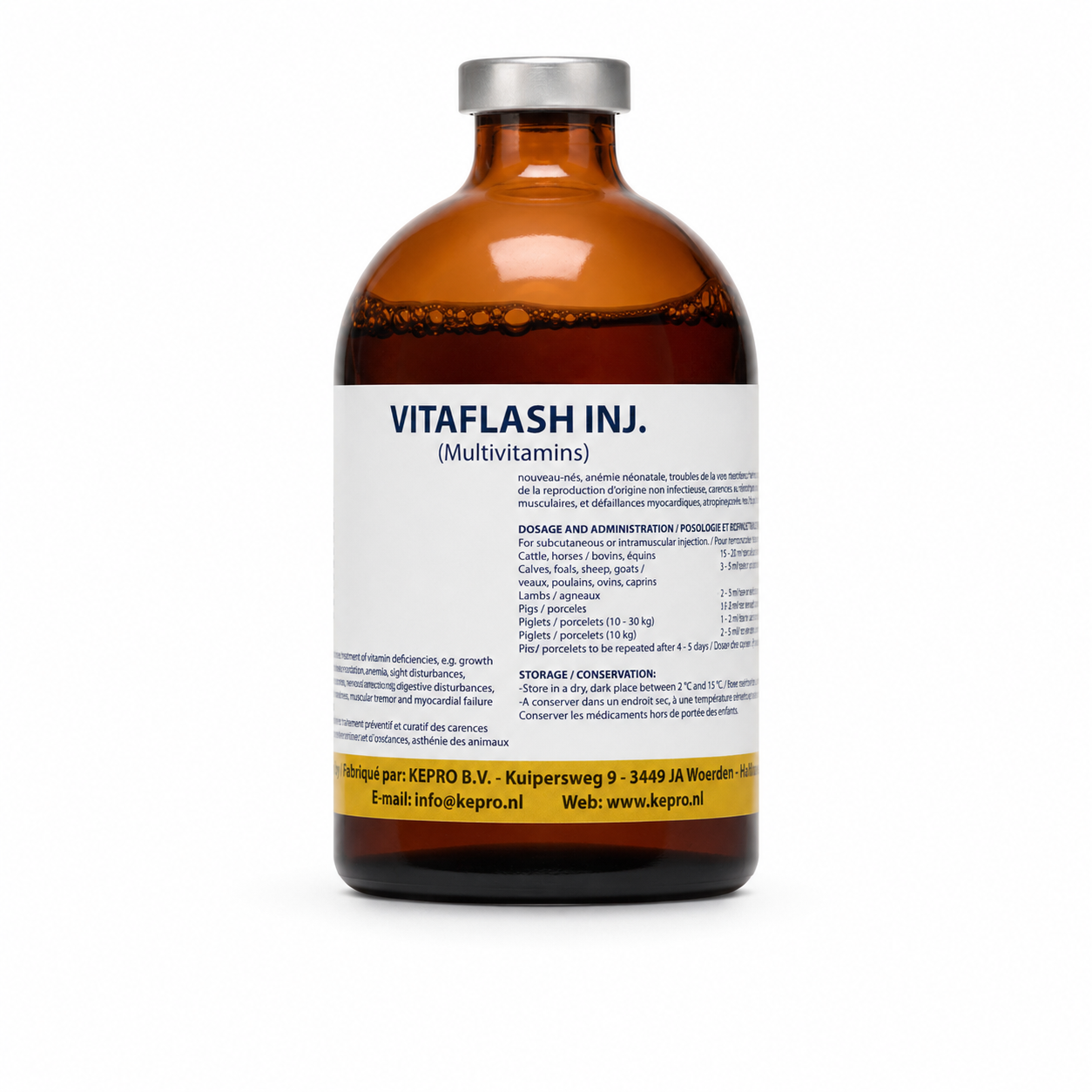
VITAFLASH INJ.
VITAFLASH INJ. is a Kepro veterinary product developed to provide a clearly defined therapeutic or nutritional role. Its formulation is based on a multivitamin injectable formulation including vitamins A, D3, E and several B-group vitamins with additional supportive vitamins. These components give the product a practical place in veterinary programs aimed at treatment and prevention of vitamin deficiencies associated with growth problems, weakness, convalescence, anorexia, reproductive problems and periods of increased demand. The dosage form is designed for professional animal use and should be incorporated into a treatment or support plan only in accordance with the approved label and local registration.
From a functional perspective, By combining fat-soluble and water-soluble vitamins, the formulation supports epithelial health, bone metabolism, antioxidant protection, energy pathways, nervous-system function and general recovery. This profile explains why the product may be useful when a veterinarian wants to address a specific physiological or clinical need rather than treat signs without identifying their cause. According to available product information, target species include cattle, horses, calves, foals, sheep, goats, pigs and other indicated species. Final case selection still depends on diagnosis, age, body weight, production stage and the presence of concurrent disease or medicines that could influence response or safety.
A key strength of VITAFLASH INJ. is the combination of a recognizable active profile with a veterinary dosage form suited to routine clinic or farm use. When selected for the right case, it can form part of a broader program intended to support or treat treatment and prevention of vitamin deficiencies associated with growth problems, weakness, convalescence, anorexia, reproductive problems and periods of increased demand. It should not be presented as a universal answer to every animal showing the same clinical sign, because similar signs may arise from very different infectious, nutritional, metabolic or management-related causes.
Nutritional supplements work best as part of a balanced feeding and management program rather than as a substitute for good feed or for treatment of an underlying disease. Requirements may rise during transport, vaccination, feed changes, convalescence, peak production and environmental stress. Reviewing the total vitamin and mineral contribution of the ration helps prevent both deficiency and unnecessary oversupply, particularly with nutrients that can accumulate when used excessively.
This copy is written for a veterinary product page, so it focuses on product identity, clinical or nutritional role, and practical positioning rather than reproducing a dosing leaflet. The product should always be used according to the locally approved label and package leaflet because authorized species, dosage schedules, withdrawal periods, contraindications and warnings may differ between markets. Appropriate veterinary use also depends on diagnosis, body weight, age, kidney and liver status, pregnancy or lactation, concurrent medicines and, for antimicrobials, the likely or confirmed susceptibility of the causative organism. Website information should therefore complement, not replace, professional veterinary advice and the manufacturer’s approved instructions.
For a website product page, VITAFLASH INJ. can be positioned as a specialized Kepro option with a defined formulation and a clear practical purpose. A complete page should ideally show the original pack, dosage form, principal active ingredients, registered target species and the general therapeutic or nutritional role. Detailed dosage, withdrawal and contraindication information should remain linked to the official leaflet or be provided by a veterinarian. This approach gives customers useful, professional information while keeping regulatory and clinical decisions where they belong: with the approved product information and qualified veterinary guidance.
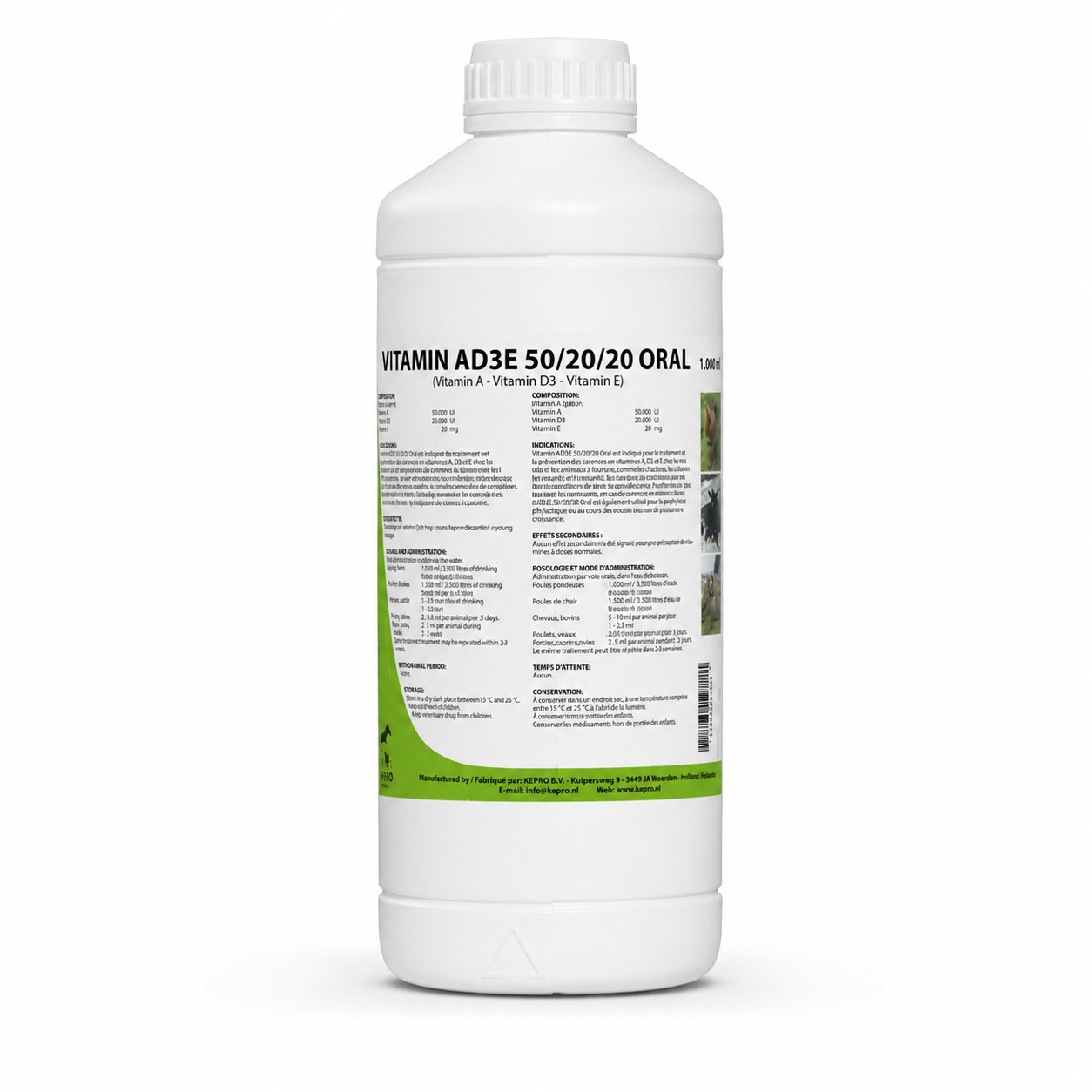
VITAMIN AD3E 50/20/20 ORAL
VITAMIN AD3E 50/20/20 ORAL is a Kepro veterinary product developed to provide a clearly defined therapeutic or nutritional role. Its formulation is based on vitamin A 50,000 IU/ml, vitamin D3 20,000 IU/ml and vitamin E 20 mg/ml. These components give the product a practical place in veterinary programs aimed at prevention and correction of A, D3 and E deficiencies, support during growth, reproduction, convalescence and periods of stress. The dosage form is designed for professional animal use and should be incorporated into a treatment or support plan only in accordance with the approved label and local registration.
From a functional perspective, Vitamin A supports epithelial integrity and vision, vitamin D3 contributes to calcium-phosphorus metabolism and bone mineralization, and vitamin E provides antioxidant protection to cell membranes. This profile explains why the product may be useful when a veterinarian wants to address a specific physiological or clinical need rather than treat signs without identifying their cause. According to available product information, target species include multiple livestock species and poultry. Final case selection still depends on diagnosis, age, body weight, production stage and the presence of concurrent disease or medicines that could influence response or safety.
A key strength of VITAMIN AD3E 50/20/20 ORAL is the combination of a recognizable active profile with a veterinary dosage form suited to routine clinic or farm use. When selected for the right case, it can form part of a broader program intended to support or treat prevention and correction of A, D3 and E deficiencies, support during growth, reproduction, convalescence and periods of stress. It should not be presented as a universal answer to every animal showing the same clinical sign, because similar signs may arise from very different infectious, nutritional, metabolic or management-related causes.
Nutritional supplements work best as part of a balanced feeding and management program rather than as a substitute for good feed or for treatment of an underlying disease. Requirements may rise during transport, vaccination, feed changes, convalescence, peak production and environmental stress. Reviewing the total vitamin and mineral contribution of the ration helps prevent both deficiency and unnecessary oversupply, particularly with nutrients that can accumulate when used excessively.
This copy is written for a veterinary product page, so it focuses on product identity, clinical or nutritional role, and practical positioning rather than reproducing a dosing leaflet. The product should always be used according to the locally approved label and package leaflet because authorized species, dosage schedules, withdrawal periods, contraindications and warnings may differ between markets. Appropriate veterinary use also depends on diagnosis, body weight, age, kidney and liver status, pregnancy or lactation, concurrent medicines and, for antimicrobials, the likely or confirmed susceptibility of the causative organism. Website information should therefore complement, not replace, professional veterinary advice and the manufacturer’s approved instructions.
For a website product page, VITAMIN AD3E 50/20/20 ORAL can be positioned as a specialized Kepro option with a defined formulation and a clear practical purpose. A complete page should ideally show the original pack, dosage form, principal active ingredients, registered target species and the general therapeutic or nutritional role. Detailed dosage, withdrawal and contraindication information should remain linked to the official leaflet or be provided by a veterinarian. This approach gives customers useful, professional information while keeping regulatory and clinical decisions where they belong: with the approved product information and qualified veterinary guidance.